I recently had the opportunity to speak with the Coming Home Network about the importance of faith in my life and career. We discussed topics ranging from family and relationships to how engaging with people of different faith traditions has shaped my understanding of myself and others. We also explored how a career in diplomacy has broadened my worldview in meaningful and lasting ways.
The full interview can be viewed on my Media & Interviews page, where I share additional conversations on leadership and global engagement, or directly here.
Conversations like this are a reminder that diplomacy today is not just about governments—it’s about connecting people, ideas, and opportunities across borders.
I was recently asked: What are fun ways to teach kids about different cultures and customs? It is a thoughtful question and one that matters more than ever in a connected world.
One of the simplest ways to spark curiosity is through books. Reading children’s stories written in different languages or translated from other cultures opens a window into how families around the world think, speak, and live. When parents show genuine interest in other cultures, that curiosity becomes contagious.
Travel is another powerful teacher. When children experience different customs firsthand, whether through food, language, music, or everyday interactions, the lessons stay with them far longer than anything learned in a classroom.
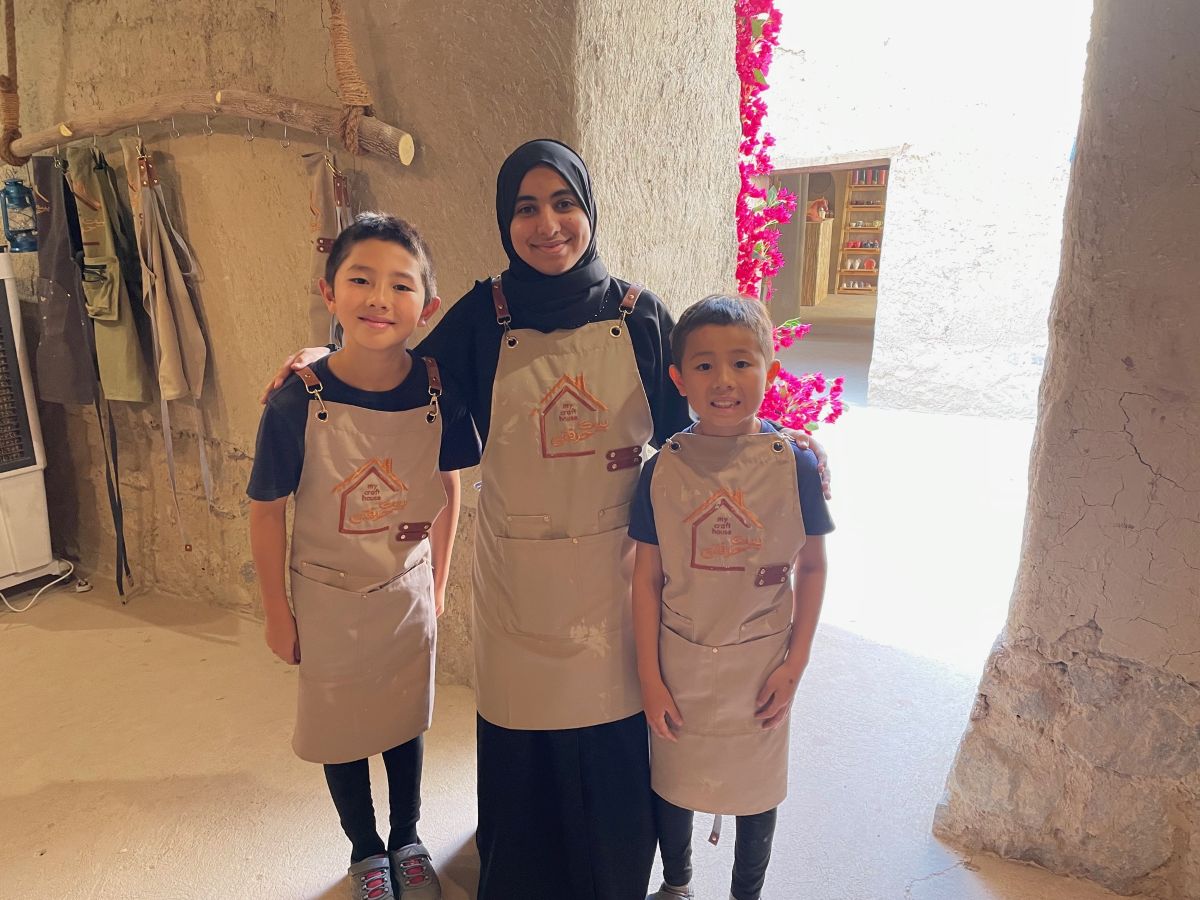
Inside Bahla Fort in Nizwa, Oman, my boys learned pottery while hearing the rhythm of Arabic spoken patiently by a local instructor. They practiced new words and gained confidence simply by listening and trying.
Learning traditional pottery in Nizwa, Oman
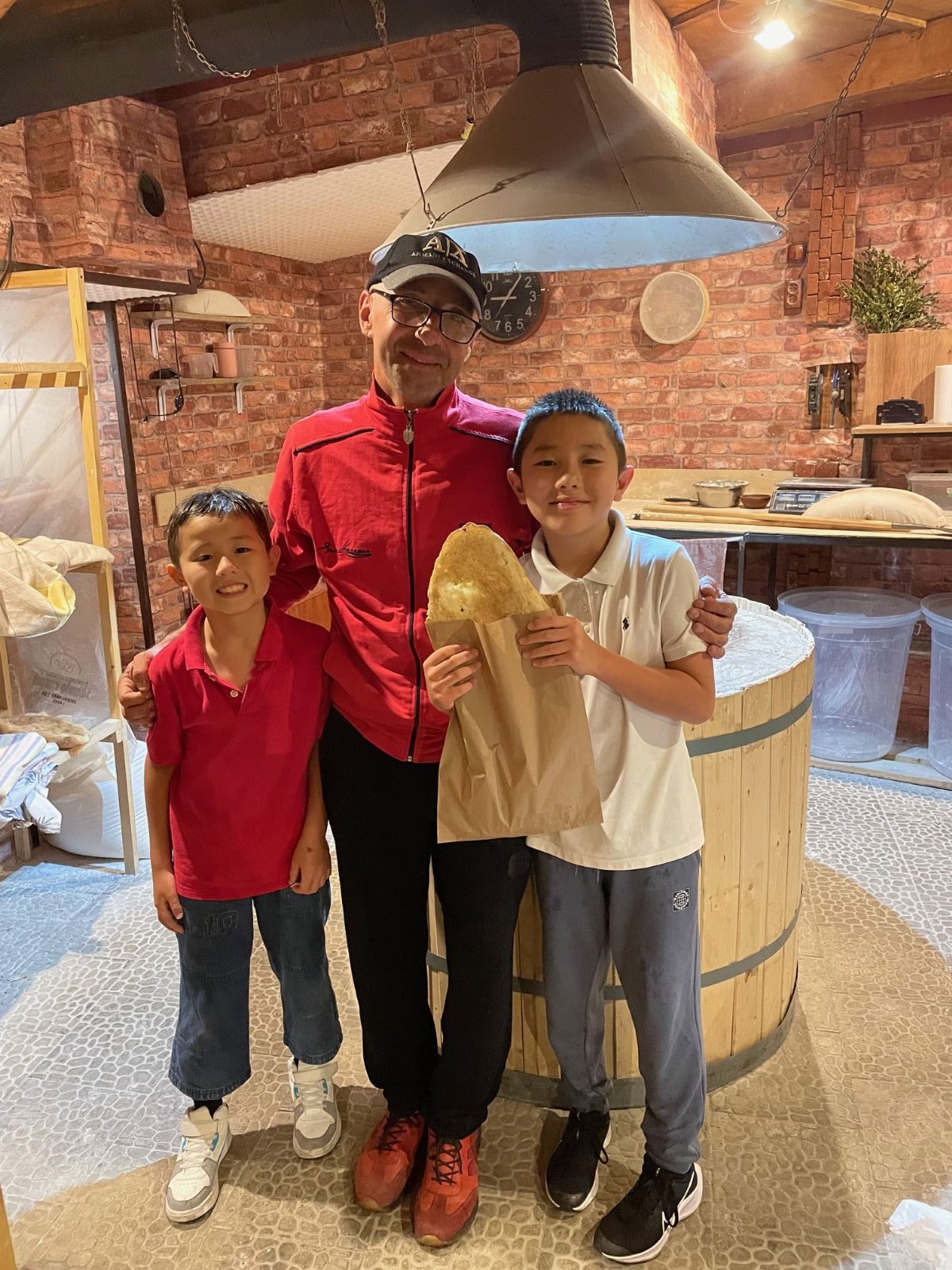
Later, in Tbilisi, Georgia, they visited a traditional bakery and learned about the country’s rich bread-making culture. They discovered the Georgian word for bread, puri (პური), ate plenty of khachapuri, and saw how food can reflect history, geography, and identity.
Visiting a traditional Georgian bakery in Tbilisi
Moments like these teach more than vocabulary. They build respect, humility, and confidence. They remind children that the world is bigger than their immediate surroundings.
Simple steps at home can also nurture cultural awareness:
Read bilingual or international children’s books
Play music from different parts of the world
Prepare meals from other countries
Teach a few basic foreign words
Experiences like these inspired our effort to publish a children’s book in multiple languages so families can explore language and culture together in an accessible way.
The book is now available in the following language editions:
It allows ideas to be shared, perspectives to be challenged, and understanding to grow.
In the United States, the First Amendment protects expression and peaceful assembly. In Japan, Article 21 guarantees freedom of speech and prohibits censorship.
Different histories — shared principle.
Across cultures, the ability to speak, listen, and question is not merely legal protection; it is the foundation of resilient communities.
Societies endure not because they agree on everything, but because they allow disagreement to exist peacefully.
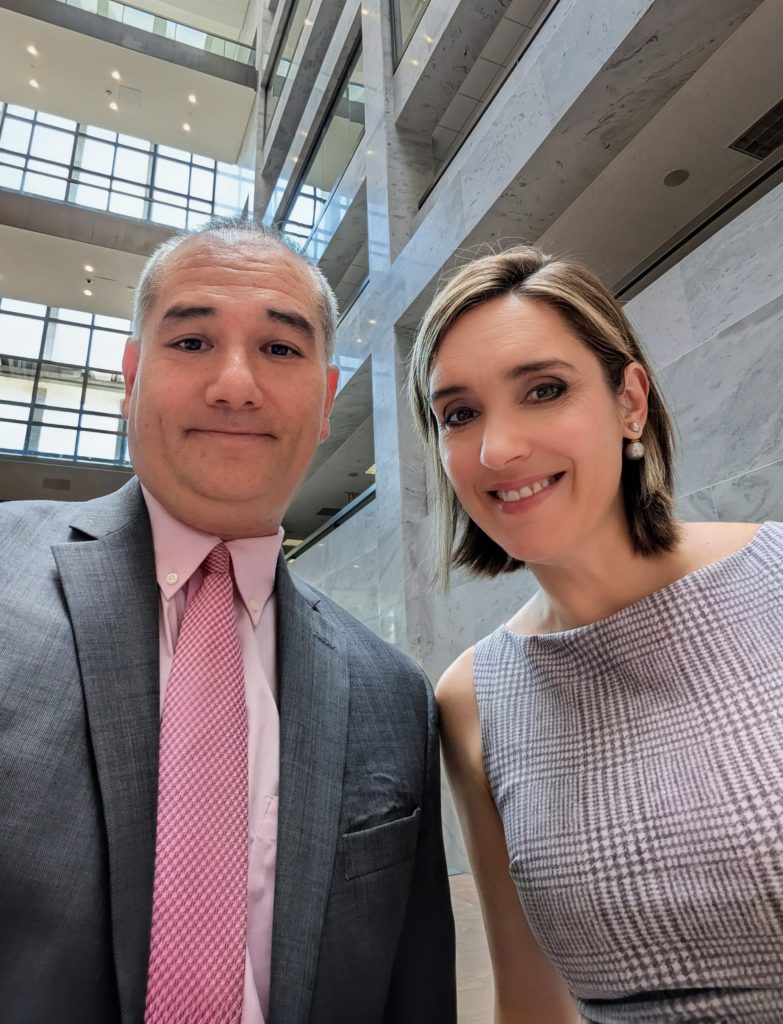
With Margaret Brennan, host of CBS Face the Nation.
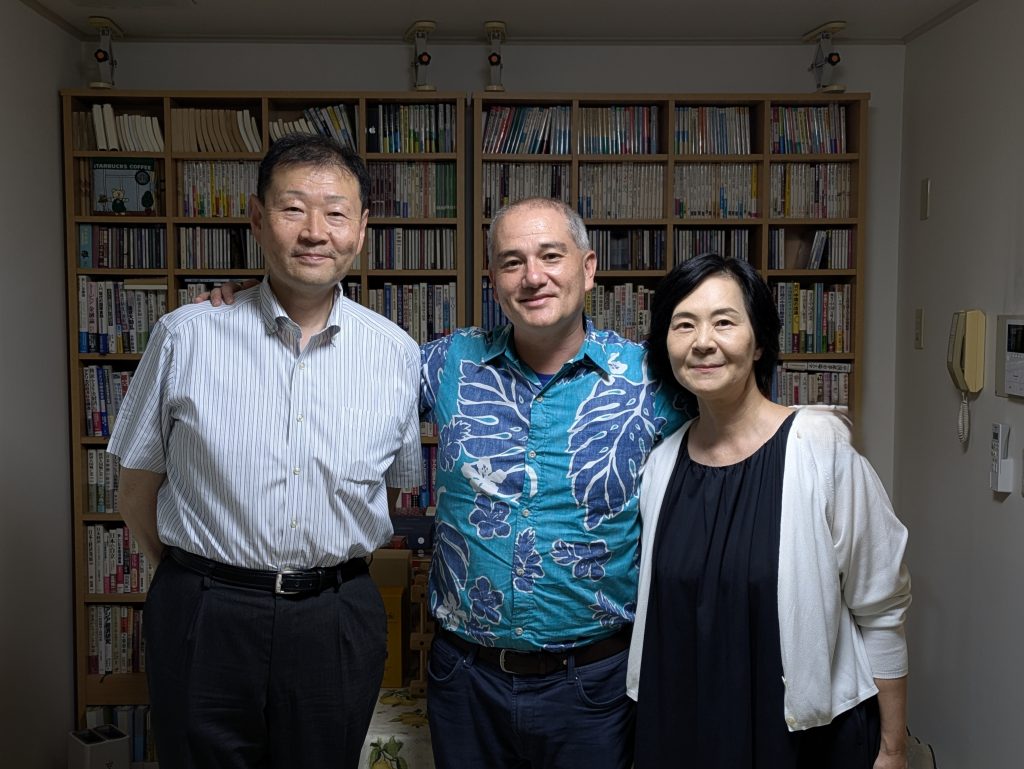
I recently had the privilege of meeting Dr. Arai Takashi — a longtime China analyst, former CSIS Japan Fellow, and researcher affiliated with the Tokyo Institute of Technology — to discuss immigration policy and foreign community integration in Kanagawa Prefecture.
Japan faces a historic demographic challenge: a rapidly aging society and declining population. While automation, AI, and robotics will help mitigate labor shortages, technology alone cannot fully address workforce gaps. Immigration policy and successful integration of foreign residents will play an increasingly central role in Japan’s economic sustainability.
Dr. Arai recently participated in the Tokyo International Conference on African Development (TICAD) in Yokohama and is conducting research on Japan’s relations with the Middle East — regions that may become increasingly relevant in future migration and labor partnerships.
Our discussion reinforced a growing reality: Japan’s long-term prosperity will depend not only on innovation, but also on its openness to people.
His remarkable personal library — only a fraction visible behind us — reflects decades of research dedicated to understanding global demographic change and international cooperation.
Discussing immigration, demographics, and workforce challenges in Japan with Dr. Arai Takashi.
Thank you, Senator Kelly, for your steadfast support of Arizonans, for recognizing the vital contributions of federal employees—both Foreign Service Officers and Civil Servants—in safeguarding our nation, and for your continued dedication to public service.
Honored to be featured in a podcast interview here: Ken Reiman – Mantra Media (mantrahq.com) where I discuss leadership, Asian American Heritage Month, the role of mothers and parents, and my book. My journey is not possible without the love, kindness, and sacrifice of my parents and grandparents. For them, my sons, and the future, my book and podcast interview are dedicated. Listen to the podcast and let me know your thoughts.
I created my first NFT today, a small but meaningful milestone, and I could not think of a better moment to do it than right before May 7. This date holds special significance for Asian American and Pacific Islander Heritage Month. On May 7, 1843, John Manjiro, the first Japanese immigrant to arrive in the United States, reached American shores on a whaling ship. His courage, resilience, and willingness to step into the unknown helped shape early Japanese American history. Honoring his journey feels especially meaningful as I take my own step into something new.
There is another John on my mind as well. My son is preparing for his first communion. Watching him grow in faith, compassion, and purpose reminds me that legacy is not only something we inherit. It is something we pass on. His name, his heart, and his journey inspire me every day.
As I created this NFT, I found myself reflecting on the values that guide us. Be the person God created you to be. Remember the poor. Stand with the voiceless. Advocate for peace. These are the principles I hope my son carries with him, and the ones I try to live by.
God knows your heart. And sometimes even something as modern as an NFT becomes a tribute to heritage, to history, to family, and to the quiet ways we honor those who came before us.
My son on the day of his first communion, dressed with confidence and grace.
In honor of AAPI Heritage Month, I revisited the remarkable story of Wu Chien‑Shiung — a scientist whose brilliance reshaped modern physics and whose courage challenged the boundaries placed on women in science.
Often called the “Queen of Physics” and the “First Lady of Physics,” Wu Chien‑Shiung was a Chinese‑American physicist whose work fundamentally changed our understanding of the universe. Born in China, she later earned her PhD in the United States and became a U.S. citizen in 1954. Her groundbreaking experiments disproved the long‑held belief that nature does not distinguish between right and left — a principle known as parity.
Her discovery was so revolutionary that it earned her two male colleagues the 1957 Nobel Prize in Physics, while Wu herself was excluded. Despite being nominated at least seven times before 1966, she never received the Nobel Prize during her lifetime. Her omission remains one of the most widely recognized injustices in the history of the award.
Wu was acutely aware of the gender discrimination that permeated the scientific world. At an MIT Symposium in October 1964, she delivered a powerful reflection on equality:
“I wonder whether the tiny atoms and nuclei, or the mathematical symbols, or the DNA molecules have any preference for either masculine or feminine treatment.”
As a dual national of the United States and China, Wu Chien‑Shiung not only advanced physics but also fought for social justice, fairness, and gender equality. Her legacy continues to inspire generations of American and Asian women in STEM.
During AAPI Heritage Month, her words — and her example — remind us that the pursuit of knowledge is universal, and the fight for equality is ongoing.
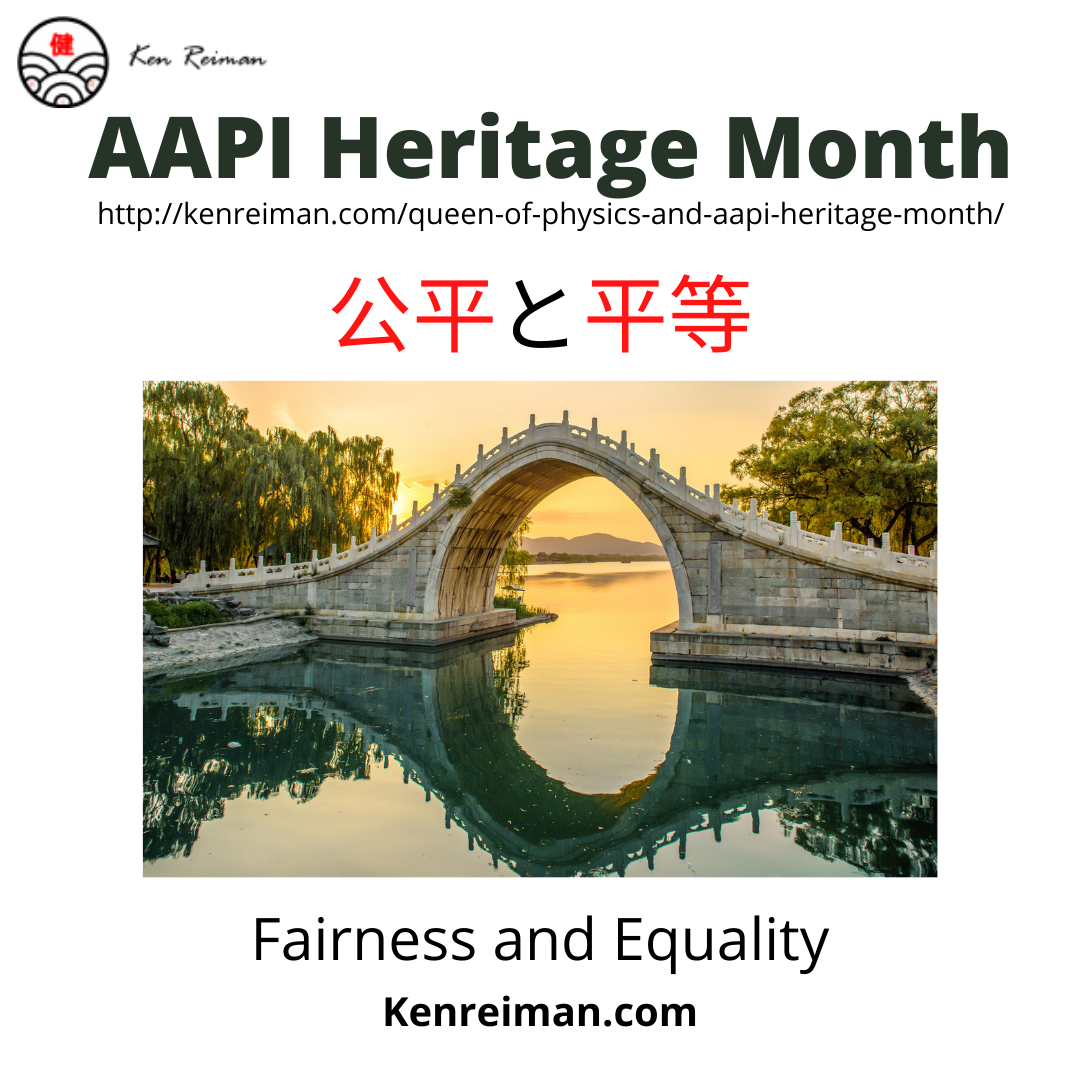
公平と平等 (Fairness and Equality)
Search
Ken Reiman is a diplomat, author, and global affairs speaker whose work reflects faith, leadership, and lived international experience.