cultural awareness

Wu Chien‑Shiung Queen of Physics: A Legacy of Science, Justice, and Equality

In honor of AAPI Heritage Month, I revisited the remarkable story of Wu Chien‑Shiung — a scientist whose brilliance reshaped modern physics and whose courage challenged the boundaries placed on women in science.

Often called the “Queen of Physics” and the “First Lady of Physics,” Wu Chien‑Shiung was a Chinese‑American physicist whose work fundamentally changed our understanding of the universe. Born in China, she later earned her PhD in the United States and became a U.S. citizen in 1954. Her groundbreaking experiments disproved the long‑held belief that nature does not distinguish between right and left — a principle known as parity.

Her discovery was so revolutionary that it earned her two male colleagues the 1957 Nobel Prize in Physics, while Wu herself was excluded. Despite being nominated at least seven times before 1966, she never received the Nobel Prize during her lifetime. Her omission remains one of the most widely recognized injustices in the history of the award.

Wu was acutely aware of the gender discrimination that permeated the scientific world. At an MIT Symposium in October 1964, she delivered a powerful reflection on equality:

“I wonder whether the tiny atoms and nuclei, or the mathematical symbols, or the DNA molecules have any preference for either masculine or feminine treatment.”

As a dual national of the United States and China, Wu Chien‑Shiung not only advanced physics but also fought for social justice, fairness, and gender equality. Her legacy continues to inspire generations of American and Asian women in STEM.

During AAPI Heritage Month, her words — and her example — remind us that the pursuit of knowledge is universal, and the fight for equality is ongoing.

公平と平等 (Fairness and Equality)
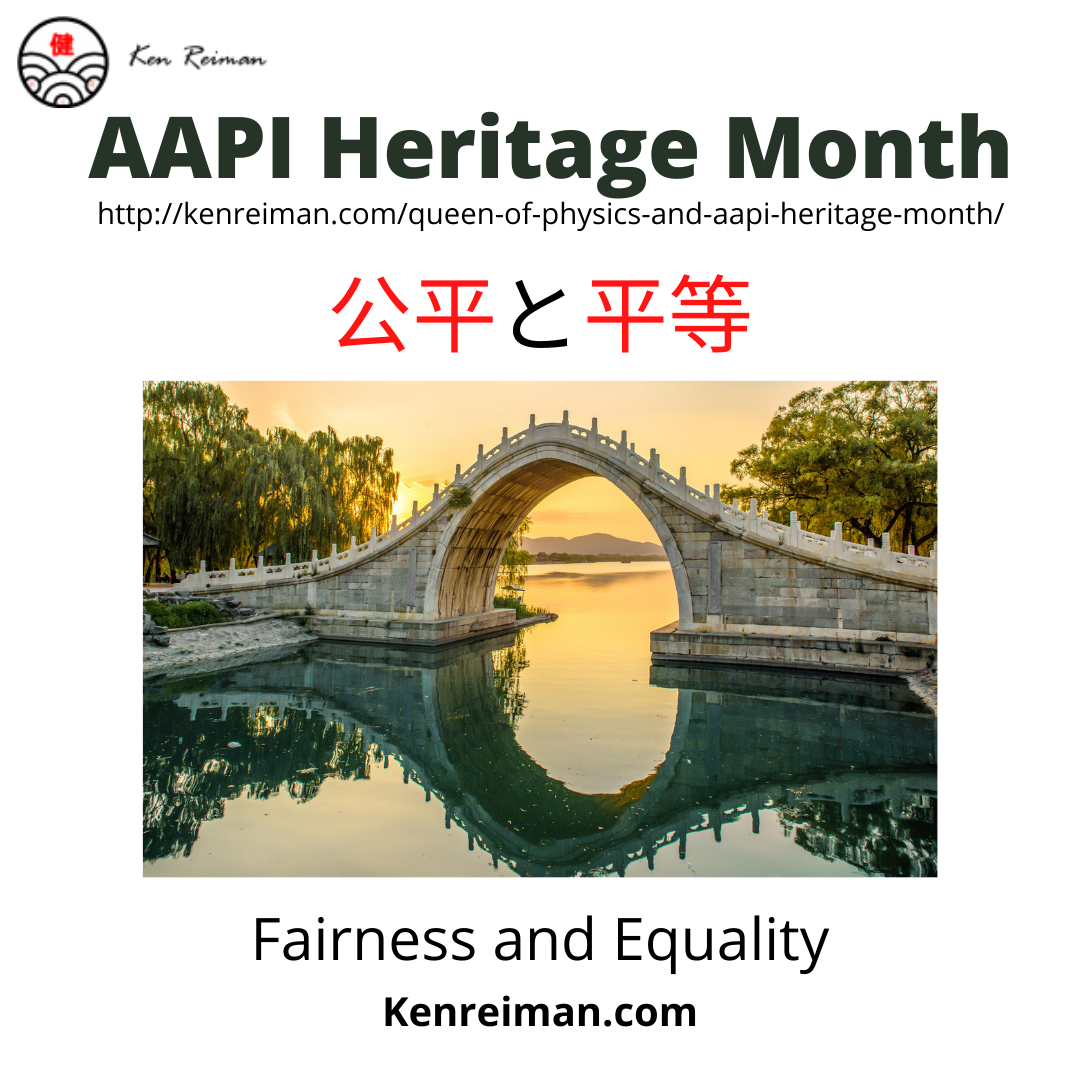
AAPI Heritage Month graphic featuring “Fairness and Equality,” Japanese text, and a sunset bridge scene.
Posted by reimanko in Leadership & Identity

Responding to Culture Tuesdays with Morrie

Happiness is not your title. It is not your salary. It is not your job. It is your family. It is your health. It is your relationships. Not the quantity of followers but the quality of lives you’ve impacted and creating your own culture where you are free to be you without fear and without apologies. 

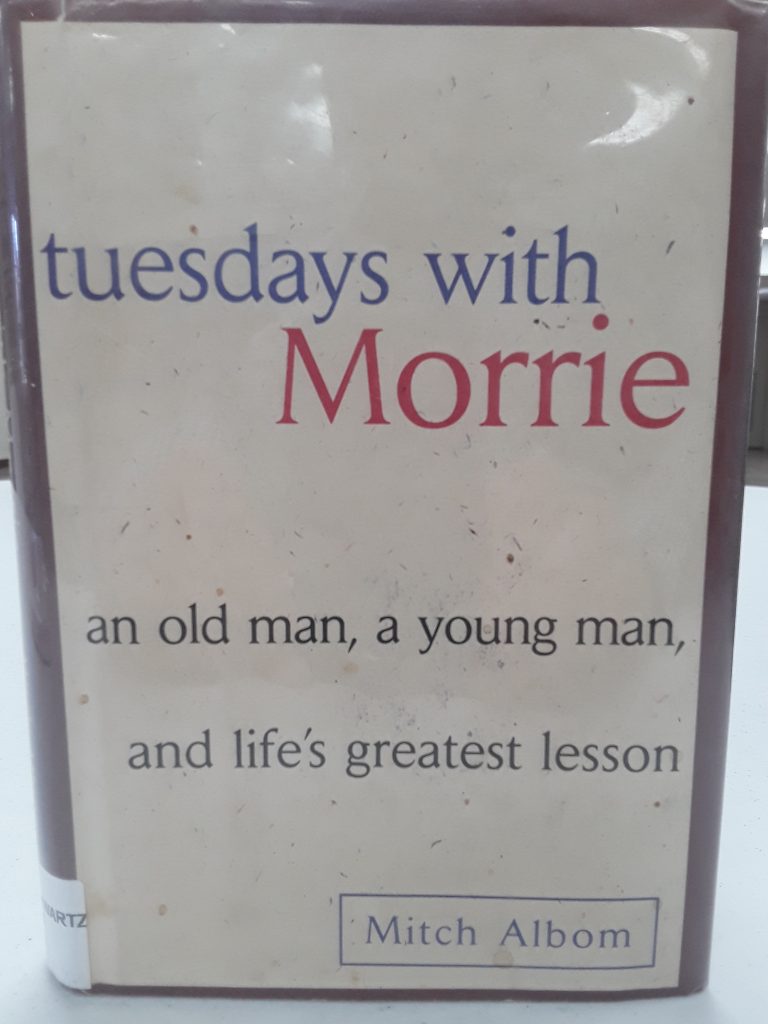
To find out more, read Tuesdays with Morrie below: “The culture we have does not make people feel good about themselves. And you have to be strong enough to say if the culture doesn’t work, don’t buy it.” — Morrie Schwartz

Cover of the book “Tuesdays with Morrie” by Mitch Albom, featuring a beige background with blue and red text.
The book Tuesdays with Morrie, which inspired this reflection on culture, happiness, and choosing what truly matters.
Posted by reimanko in Writing & Reflections

Lucy Burns Museum: Women’s Suffrage History in Lorton, Virginia

American history is diverse, and there is still much that is not widely taught. A little-known site in Lorton, Virginia, is the former Workhouse Prison, now home to the Lucy Burns Museum. From 1917 to 1918, Lucy Burns and other suffragists were imprisoned there for picketing the White House in support of a constitutional amendment granting women the right to vote.

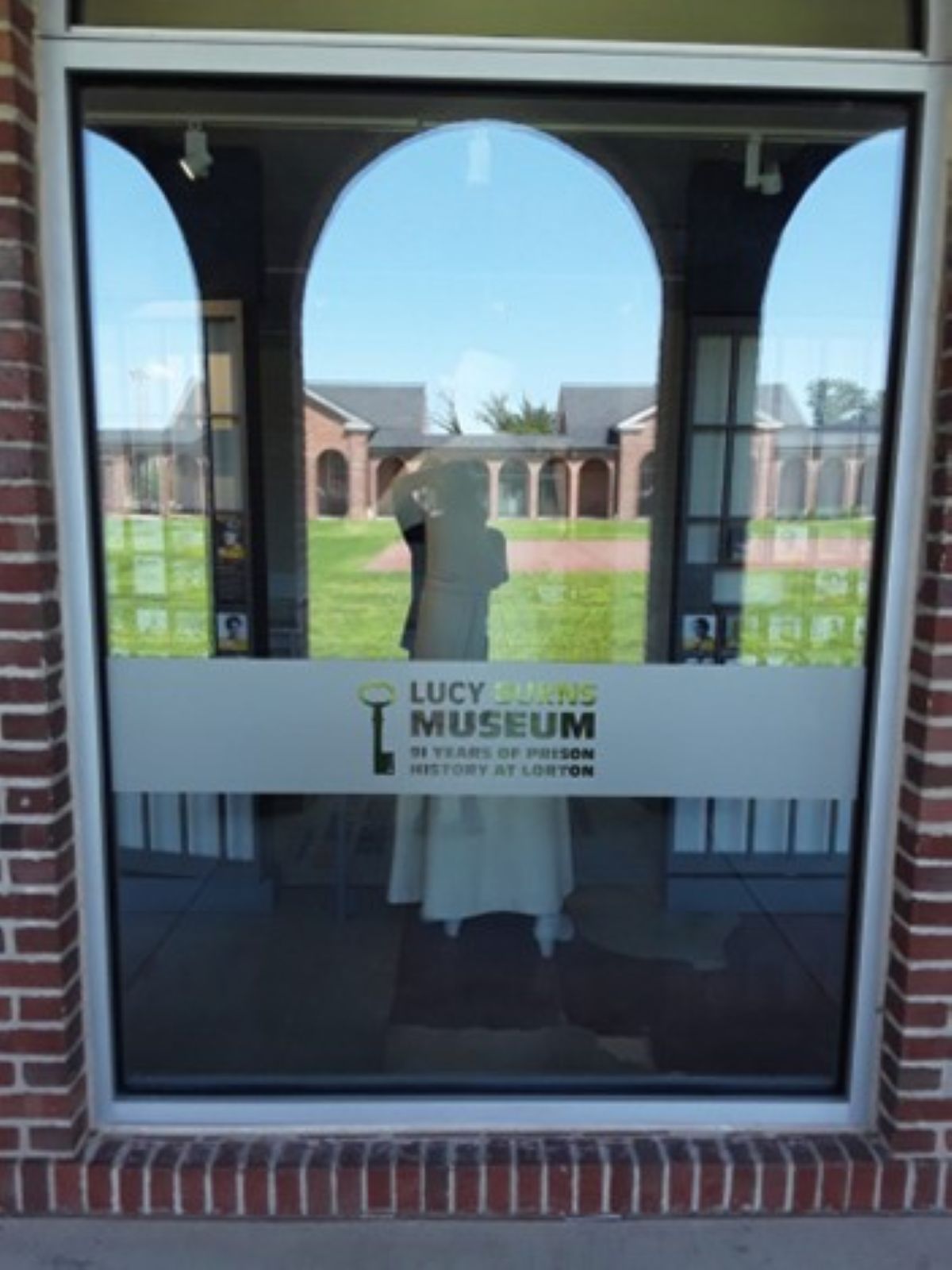
Lucy Burns Museum entrance in Lorton, Virginia
Entrance to the Lucy Burns Museum in Lorton, Virginia

Today, the former prison cells remain visible, now filled with powerful works of art. The transformation of confinement into creativity is striking. Thanks to the courage of these women, generations of Americans can exercise the right to vote.

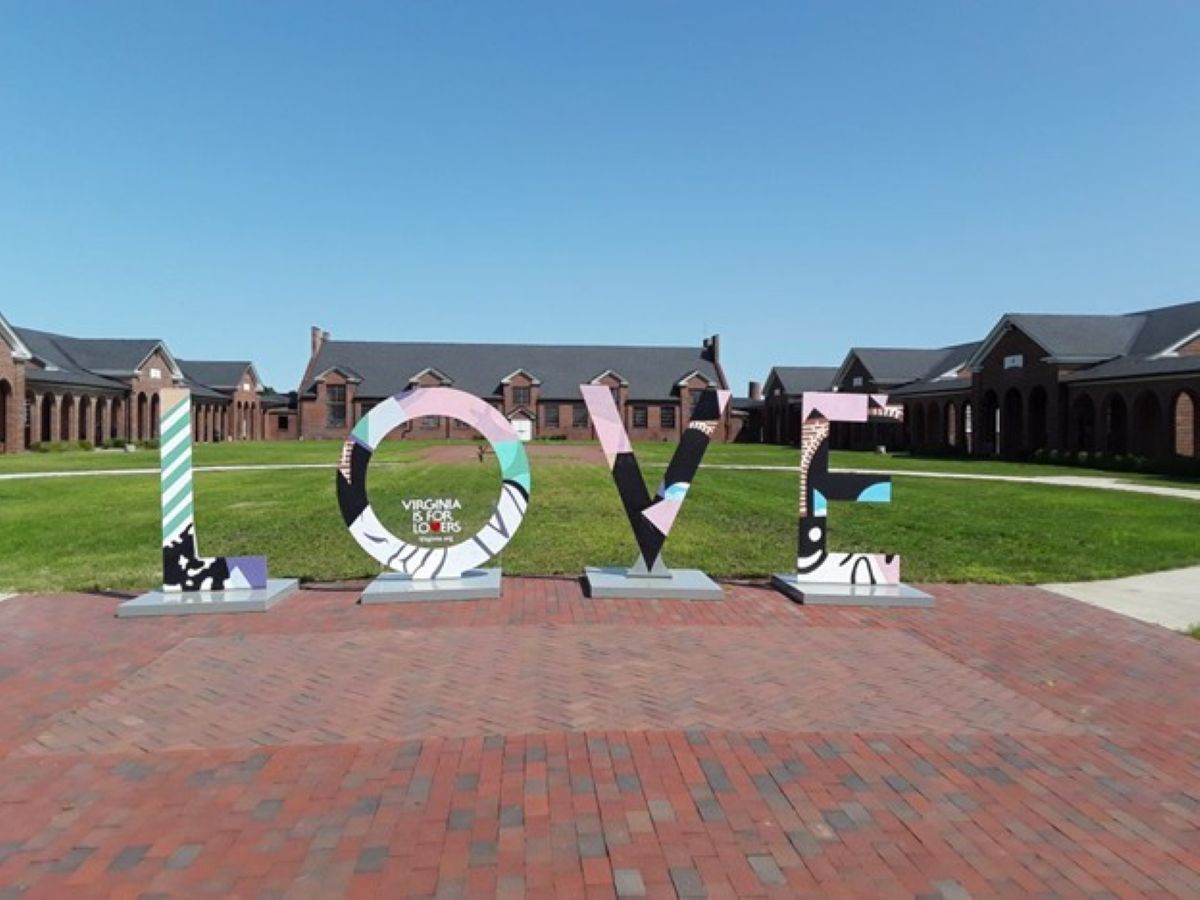
LOVE sculpture at Lucy Burns Museum courtyard in Lorton Virginia
LOVE sculpture in the courtyard of the Lucy Burns Museum

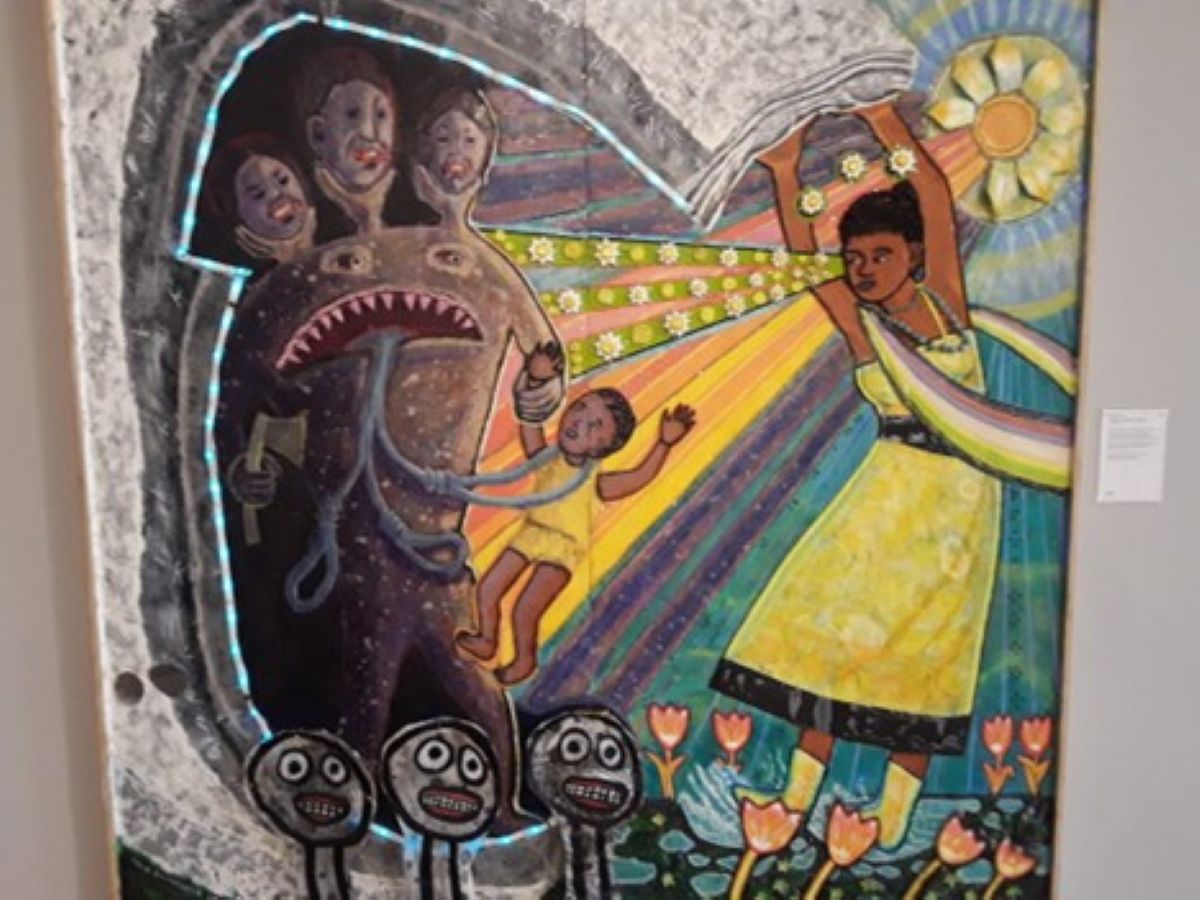
Among the artwork on display is a powerful painting honoring Ida B. Wells and confronting the evils of racism, a reminder that the struggle for justice has taken many forms across American history.

Painting of Ida B. Wells at Lucy Burns Museum highlighting social justice themes
Artwork honoring Ida B. Wells at the Lucy Burns Museum

Frank Sinatra, Ella Fitzgerald, and Duke Ellington also performed on site, adding another layer of cultural history to this remarkable place. There is much to explore at the Lucy Burns Museum. It is well worth a visit.

Places like the Lucy Burns Museum remind us that constitutional change often begins with ordinary citizens willing to endure extraordinary sacrifice. Civic progress rarely comes without courage. The right to vote, now taken for granted by many, was secured because individuals stood firm in the face of opposition. History is not only something to study. It is something to learn from.

Posted by reimanko in Leadership & Identity

Perfect Union: Striving for a More Perfect America This Fourth of July

Are there perfect human beings? No. Can a gathering of imperfect human beings create a perfect union? No. But the key word in the Preamble to the U.S. Constitution is “more.” We are constantly striving toward the ideal of a more perfect Union—a nation stronger, fairer, and more united.

This Fourth of July, let us reflect on that enduring aspiration. May we work together to uphold the principles of liberty, justice, and equality, not only on national holidays but every day.

A special thanks goes to the courageous men and women who sacrifice daily to serve the United States of America, both in uniform and through acts of public service. Your dedication helps us inch closer to the ideal of a more perfect Union.

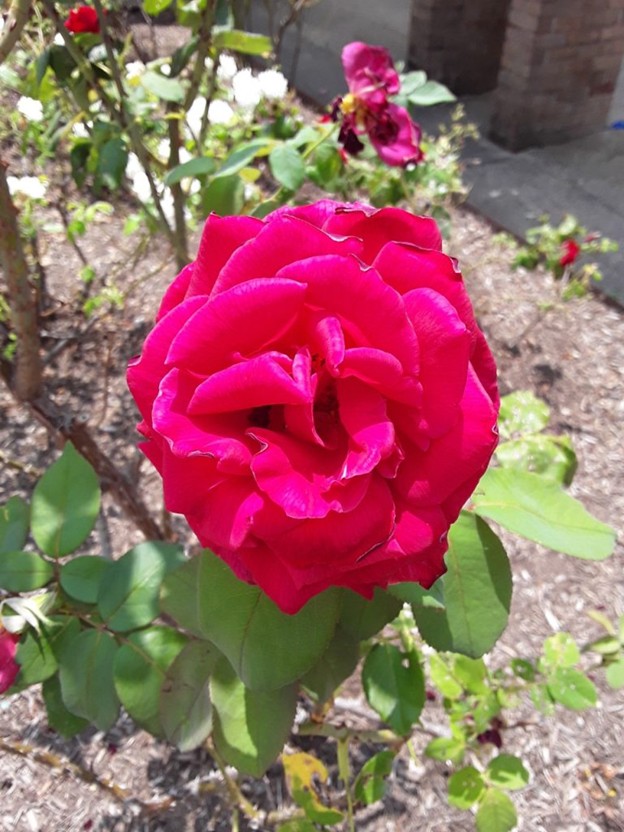
This rose symbolizes our gratitude, respect, and shared commitment to building a better future for all.

Rose flower
A rose for the men and women who serve, reminding us of our shared pursuit of a more perfect Union.
Posted by reimanko in Leadership & Identity

5 Reasons for Dual Nationality: Reason #5

Prejudice against dual nationality is a stance against value pluralism. Yet, value pluralism is an essential need for the long-term stability of an open democratic society.


Posted by reimanko in Leadership & Identity

How Writing Can Change the World

Writing inspires people to read. Reading can inspire people to feel a certain way. Those feelings can translate into thoughts. Those thoughts ultimately lead to actions. Every change begins with a vision. When you write you create a stream of living ideas that if allowed to flow can change the currents of life. The hardest rock can be pierced open when water keeps pounding at its surface, weathering the hurts of so many ages until finally it cracks! This is why I write: to chip away at that hardened rock of human indifference, prejudice, and intolerance. Writing exposes people to new worlds and perspectives and uncomfortable truths. Yet, it is only through exposing these truths that healing can begin. Write to unite. Write to challenge. Write to inspire. For one day it might be your idea that changes the world!

Posted by reimanko in Writing & Reflections

Happy Vesak Day!

Today is a sacred day for millions of Buddhists around the world. It was on this day two and a half millennia ago, in the year 623 B.C., that Siddhartha Gautama was born. While he is known to have many wise sayings and teachings, here are two of my favorites:

Three things cannot be long hidden: the sun, the moon, and the truth.

When you move your focus from competition to contribution life becomes a celebration. Never try to defeat people just win their hearts


Posted by reimanko in Faith & Spiritual Reflection

Modesty in Nature and in Life – Happy Weekend

Sharing some words of wisdom to stay grounded and humble and open along with a beautiful picture of wild flowers.

Very little grows on jagged rock. Be ground. Be crumbled, so wild flowers will come up where you are. — Rumi


Posted by reimanko in Family & Children

Happy Ramadan: A Reflection on Faith, Family, and Respect for One Another

During this period of Ramadan I wanted to reflect on the importance of faith, family, and respect for one another. We are all, after all, brothers and sisters in this journey of life. Happy Ramadan! Sharing a quote we like and a family photo. Stay blessed and healthy.

“When the world pushes you to your knees, you’re in the perfect position to pray.” – Rumi

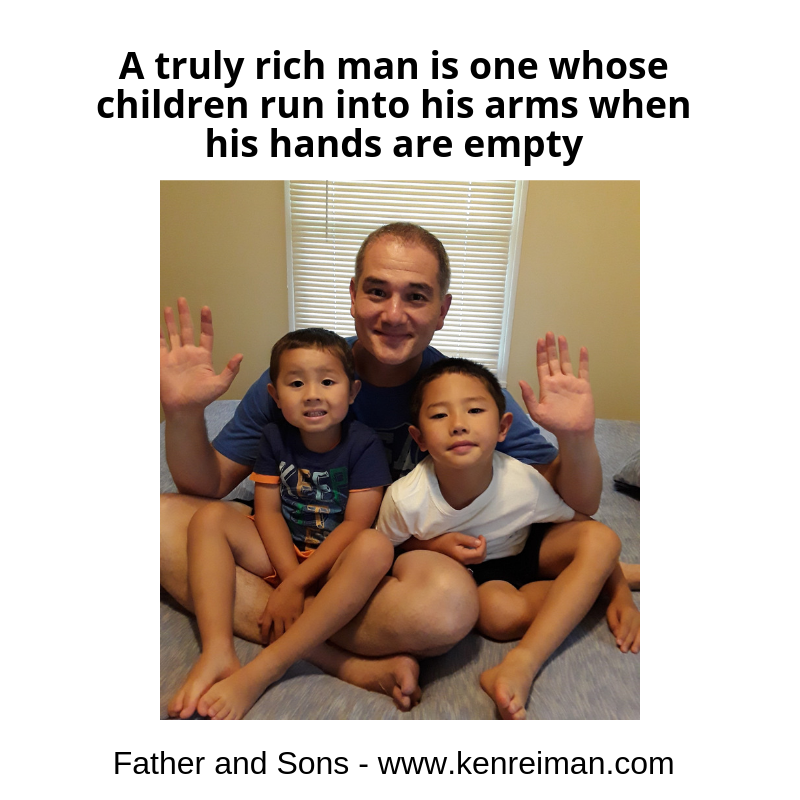
Father sitting on a bed with two young children, all smiling and raising their hands together.
A moment of joy with my sons, celebrating faith, family, and gratitude.
Posted by reimanko in Family & Children

The Year’s First Dream – What Did You Dream About?

In Japan, it is believed that the first dream of the New Year is important because it tells you what the year holds for you. What did you dream about? Here’s a haiku poem by Itō Shōu in English and Japanese below.

The year’s first dream –

a secret I spoke to no one,

smiling to myself.             ― Itō Shōu (1859-1943)


初夢や

秘めて語らず

一人笑む        ―伊藤松宇

The Japanese poet Itō Shōu was a poet of the Meiji era (1868-1926). He was a contemporary of another great Haiku poet Masaoka Shiki. Both wrote during a time when Japan opened its doors to the world and quickly learned about Western culture and technology.


On a journey, I’d have

as my companion on the road,

a butterfly.                            ―Masaoka Shiki (1867-1902)


道づれは

胡蝶をたのむ

旅路かな        ―正岡子規

Posted by reimanko in Writing & Reflections