My conversation with Marcus Peter on faith, identity, and the God who never leaves
I was raised without faith, and I fully expected to stay that way.
I grew up in Arizona with a Japanese mother and an American father. My father was agnostic, and my mother came from the Shinto and Buddhist traditions. Our dinner table was a place for philosophy, not religion. I attended a Jesuit high school, where Scripture was required reading, and I walked away unconvinced. A virgin birth? Three persons in one God? To me, religion looked like a tool people used to manipulate each other, and Catholicism was the last place I thought I would ever end up.
I recently shared how that changed in a radio interview with host Marcus Peter. If you haven’t heard it yet, I’d love for you to listen.
🎧 Listen to the interview: I Was a US Diplomat, Now I’m an Ambassador for Christ
📖 Get your copy of Abandoned No More: An Ambassador of Christ
Learning love from a Buddhist grandmother
Some of my most formative summers were spent in Japan with my grandmother, a devout Buddhist who spoke no English. I joined her at the family grave, cleaning the headstone, laying flowers, and paying respects to my grandfather. She kept a saying in her home: one unkind word can wound the spirit, and one kind word can light up a person’s whole being.
She was never a Christian, yet she lived like a saint. She showed me what unconditional love looks and feels like, long before I had words for who that love ultimately comes from. That is one of the central messages of my story: God can work through anyone, including people of other faiths, to reach a searching heart.
Hardship, loss, and an unexpected Bible
My career as a U.S. diplomat took me to Taiwan, Nigeria, and Beijing, China among other destinations. Along the way I faced real hardship and saw death up close. I also lost people dear to me, including my grandmother, who passed away while I was posted in Beijing.
It was there, in Beijing, China, home to the largest atheist population in the world, that something shifted. I was studying Mandarin, and a friend had given me a Bible in both Mandarin and Japanese. As a diplomat, language skills matter, so I decided to read it cover to cover purely as a study tool. I was studying Mandarin, and a friend had given me a Bible in both Mandarin and Japanese. As a diplomat, language skills matter, so I decided to read it cover to cover purely as a study tool.
It turned out to be much more than that. The words reached my heart, and I could no longer stay on the sidelines. Looking back, I can see how God had been working through friends, teachers, priests, and family all along. Even when I was running the other way, he never abandoned me.
You don’t have to leave yourself behind
One of the things I’m most passionate about is this: coming to Christ does not mean giving up who you are. In Japan, fewer than 2% of people are Christian, and many fear that embracing the faith means abandoning their culture, heritage, or values. I don’t believe that’s true. Christ takes all of who you are, your background, your language, and your story, and gathers it into something greater.
That conviction is also why my book is not meant to pressure anyone. Faith has to be voluntary. After decades of searching myself, I know that God’s timing is not ours, and that patience is one of the most important gifts we can offer one another.
Peace begins with patience
In our conversation, we also talked about what diplomacy looks like through the eyes of faith. Blessed are the peacemakers for they will be called children of God (Matthew 5:9). Peace requires dialogue, dialogue requires tolerance, and tolerance requires patience and humility. We are not here to control or change one another. We are here to accept who we are, respect each other, and let God do his work.
Why I wrote Abandoned No More
“You could be an atheist. You could be in the largest atheist population in the world, and God can still touch you. He can still find a way. The light can still shine in.”
Governments can abandon you. Companies can abandon you. Friends and even family can abandon you. God does not.
That is the heart of Abandoned No More: An Ambassador for Christ. It is my personal conversion story, and also a testament to second chances and to living with purpose beyond borders. If you’ve ever felt overlooked, far from home, or unsure whether faith has a place for you, I wrote this book with you in mind.
📖 Get your copy at your favorite retailer: Amazon, Barnes & Noble, Walmart, or Books A Million
What’s next: a friendship with a Japanese town
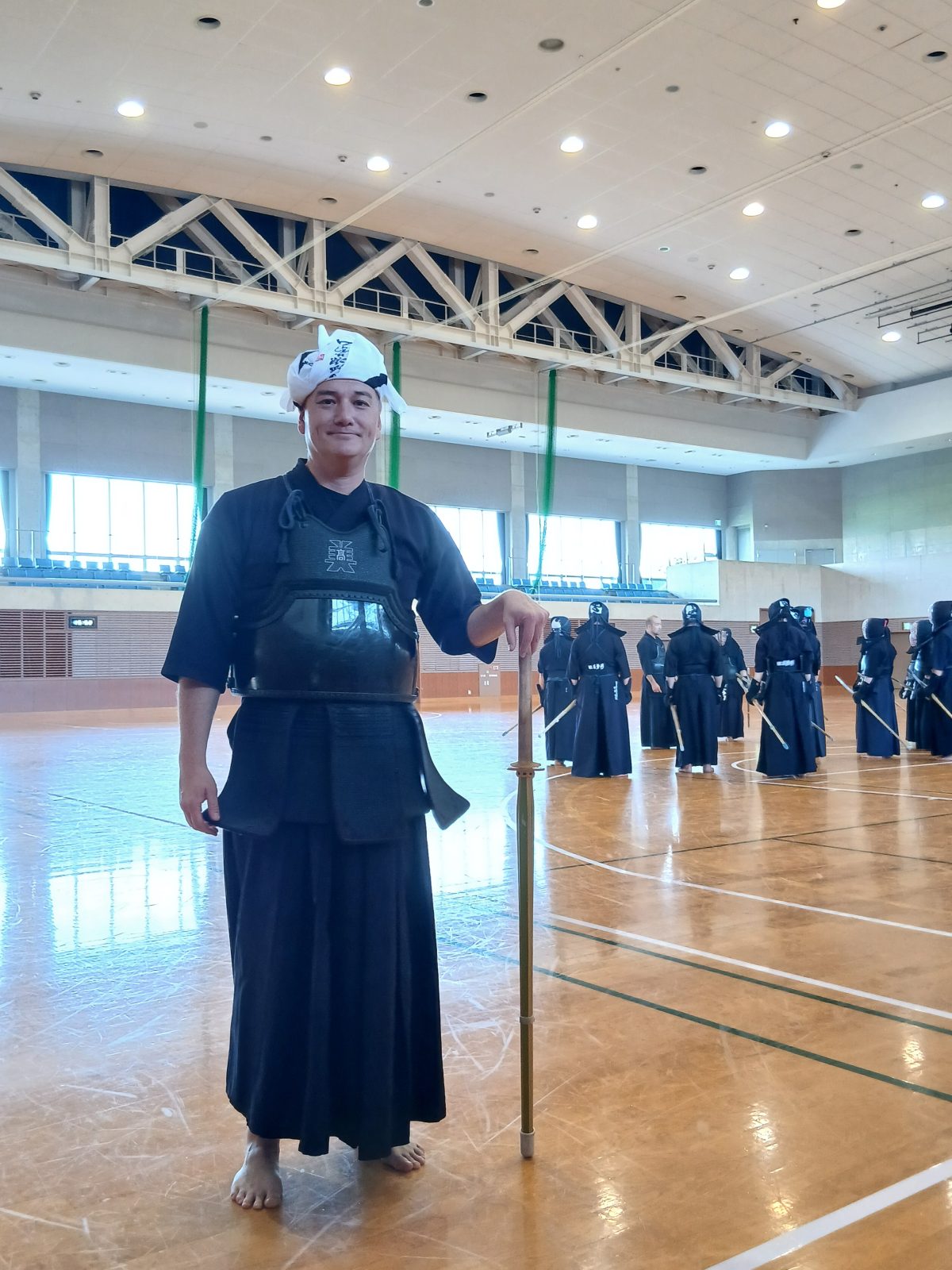
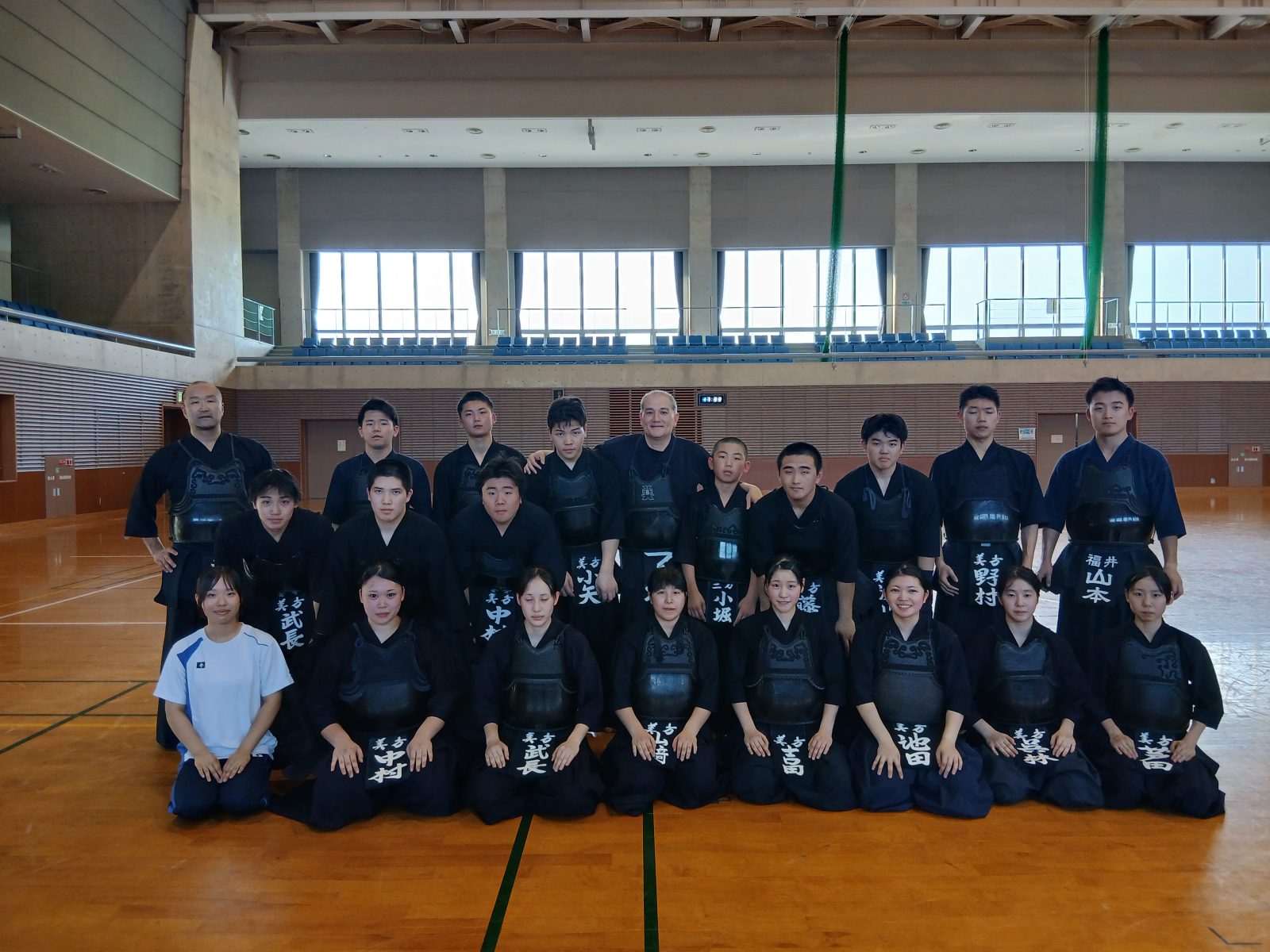
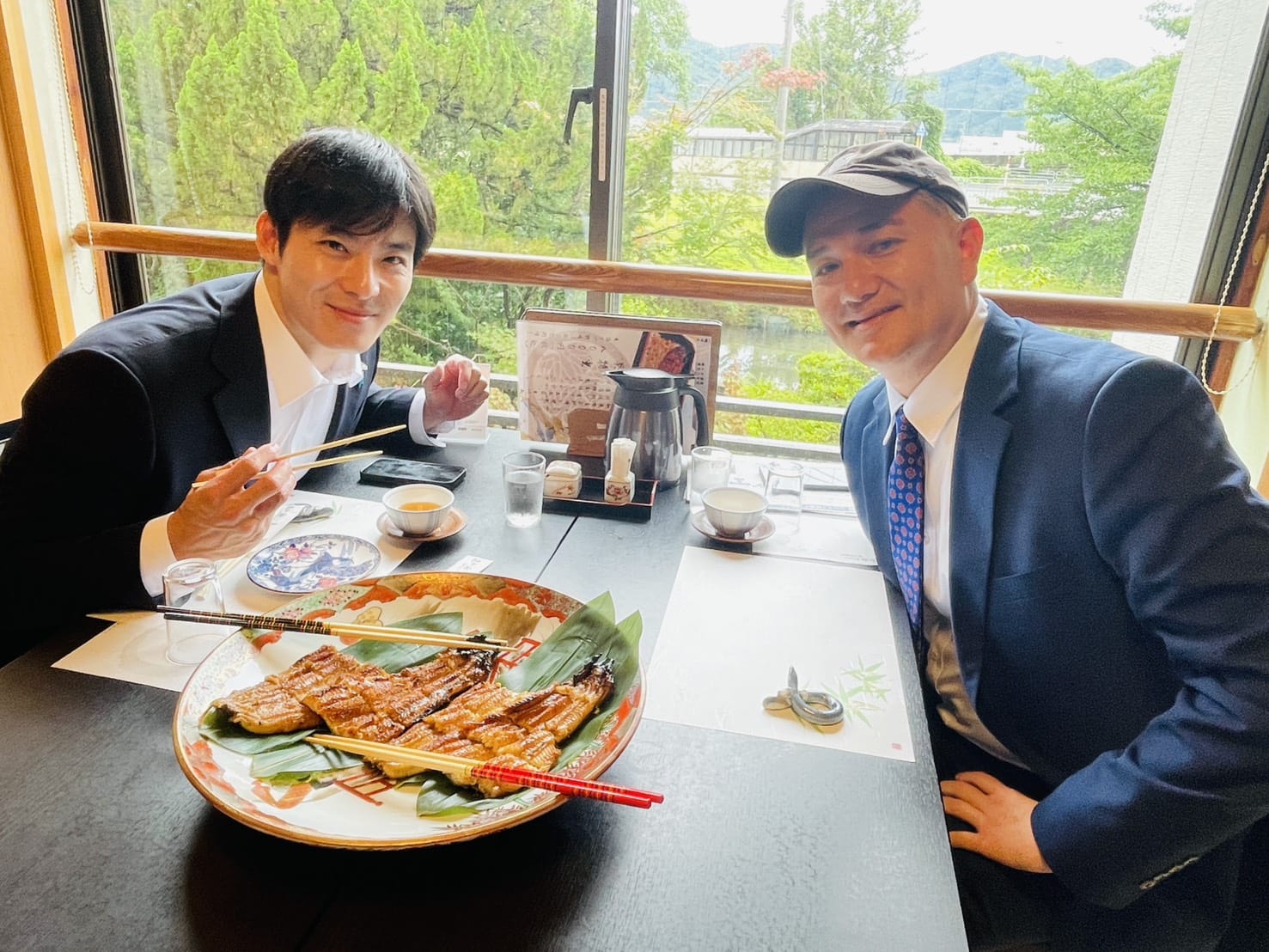
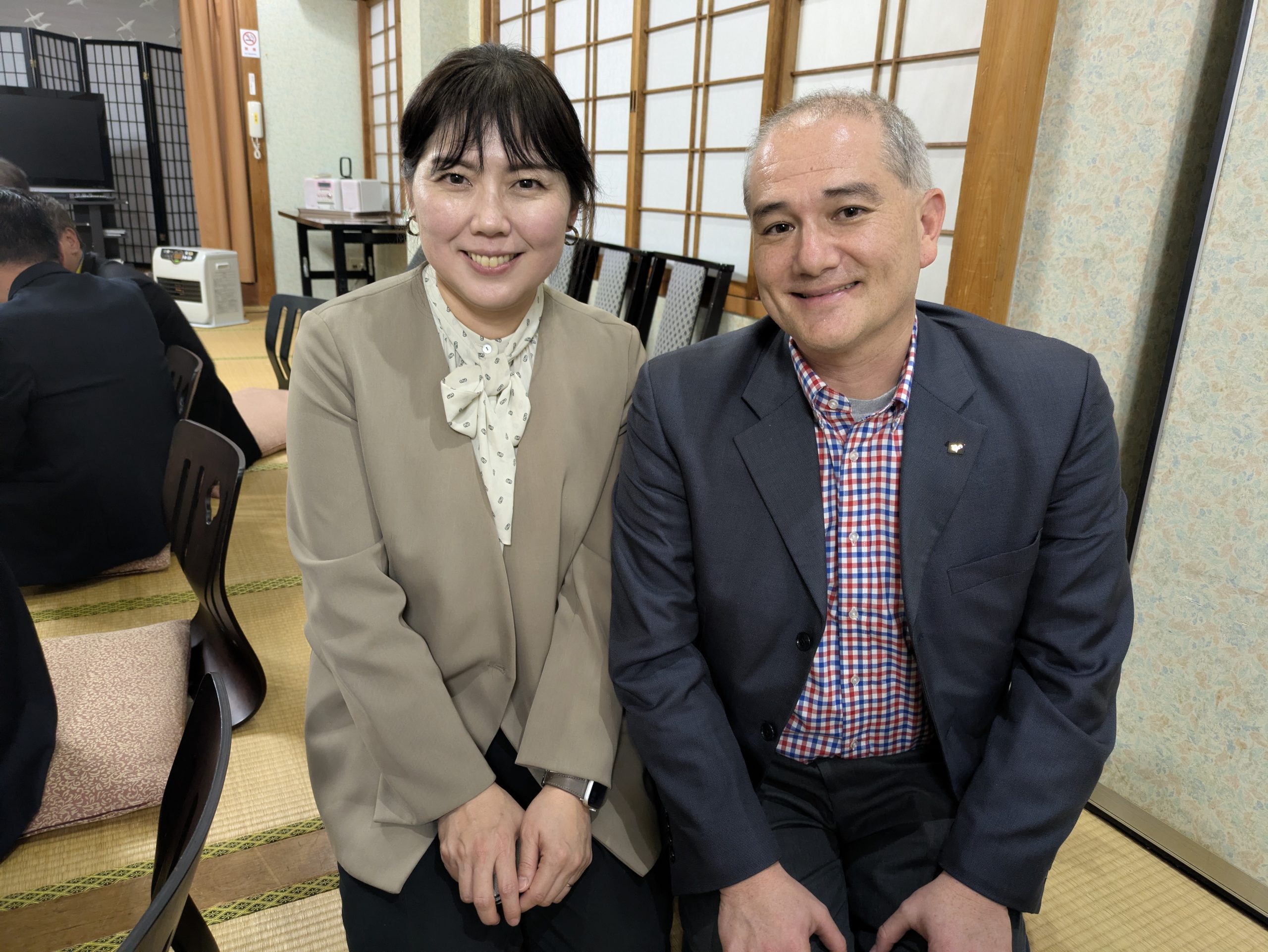
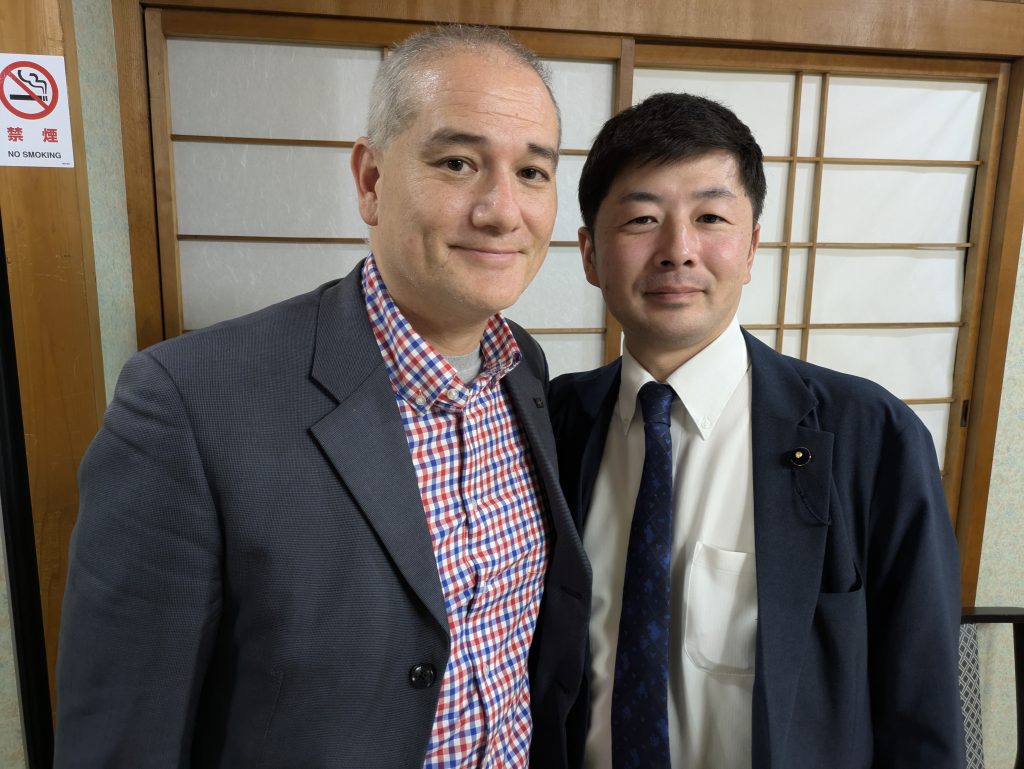
I’m currently writing my next book, which will be published in both English and Japanese. It tells the story of my friendship with Wakasa Town in Japan, whose mayor is a Shinto priest and has welcomed the perspective of a Catholic friend. It is a story of how people of different faiths can learn from one another with openness and respect.
Stay tuned for more news on the release.
A closing request
If you take one thing from this conversation, let it be this: God’s plan is always greater than ours, and kindness matters. I still have a great deal to learn, and I ask humbly for your prayers, as I will keep you and your family in mine.
Thank you for listening, for reading, and for being part of this amazing journey. God bless you and your families.
Ken Reiman
Author of Abandoned No More: An Ambassador of Christ