leadership

Abandoned No More: How an Atheist Diplomat Became an Ambassador for Christ

My conversation with Marcus Peter on faith, identity, and the God who never leaves

I was raised without faith, and I fully expected to stay that way.

I grew up in Arizona with a Japanese mother and an American father. My father was agnostic, and my mother came from the Shinto and Buddhist traditions. Our dinner table was a place for philosophy, not religion. I attended a Jesuit high school, where Scripture was required reading, and I walked away unconvinced. A virgin birth? Three persons in one God? To me, religion looked like a tool people used to manipulate each other, and Catholicism was the last place I thought I would ever end up.

I recently shared how that changed in a radio interview with host Marcus Peter. If you haven’t heard it yet, I’d love for you to listen.

🎧 Listen to the interview: I Was a US Diplomat, Now I’m an Ambassador for Christ

📖 Get your copy of Abandoned No More: An Ambassador of Christ

Learning love from a Buddhist grandmother

Some of my most formative summers were spent in Japan with my grandmother, a devout Buddhist who spoke no English. I joined her at the family grave, cleaning the headstone, laying flowers, and paying respects to my grandfather. She kept a saying in her home: one unkind word can wound the spirit, and one kind word can light up a person’s whole being.

She was never a Christian, yet she lived like a saint. She showed me what unconditional love looks and feels like, long before I had words for who that love ultimately comes from. That is one of the central messages of my story: God can work through anyone, including people of other faiths, to reach a searching heart.

Hardship, loss, and an unexpected Bible

My career as a U.S. diplomat took me to Taiwan, Nigeria, and Beijing, China among other destinations. Along the way I faced real hardship and saw death up close. I also lost people dear to me, including my grandmother, who passed away while I was posted in Beijing.

It was there, in Beijing, China, home to the largest atheist population in the world, that something shifted. I was studying Mandarin, and a friend had given me a Bible in both Mandarin and Japanese. As a diplomat, language skills matter, so I decided to read it cover to cover purely as a study tool. I was studying Mandarin, and a friend had given me a Bible in both Mandarin and Japanese. As a diplomat, language skills matter, so I decided to read it cover to cover purely as a study tool.

It turned out to be much more than that. The words reached my heart, and I could no longer stay on the sidelines. Looking back, I can see how God had been working through friends, teachers, priests, and family all along. Even when I was running the other way, he never abandoned me.

You don’t have to leave yourself behind

One of the things I’m most passionate about is this: coming to Christ does not mean giving up who you are. In Japan, fewer than 2% of people are Christian, and many fear that embracing the faith means abandoning their culture, heritage, or values. I don’t believe that’s true. Christ takes all of who you are, your background, your language, and your story, and gathers it into something greater.

That conviction is also why my book is not meant to pressure anyone. Faith has to be voluntary. After decades of searching myself, I know that God’s timing is not ours, and that patience is one of the most important gifts we can offer one another.

Peace begins with patience

In our conversation, we also talked about what diplomacy looks like through the eyes of faith. Blessed are the peacemakers for they will be called children of God (Matthew 5:9). Peace requires dialogue, dialogue requires tolerance, and tolerance requires patience and humility. We are not here to control or change one another. We are here to accept who we are, respect each other, and let God do his work.

Why I wrote Abandoned No More

“You could be an atheist. You could be in the largest atheist population in the world, and God can still touch you. He can still find a way. The light can still shine in.”

Governments can abandon you. Companies can abandon you. Friends and even family can abandon you. God does not.

That is the heart of Abandoned No More: An Ambassador for Christ. It is my personal conversion story, and also a testament to second chances and to living with purpose beyond borders. If you’ve ever felt overlooked, far from home, or unsure whether faith has a place for you, I wrote this book with you in mind.

📖 Get your copy at your favorite retailer: Amazon, Barnes & Noble, Walmart, or Books A Million

What’s next: a friendship with a Japanese town

I’m currently writing my next book, which will be published in both English and Japanese. It tells the story of my friendship with Wakasa Town in Japan, whose mayor is a Shinto priest and has welcomed the perspective of a Catholic friend. It is a story of how people of different faiths can learn from one another with openness and respect.

Stay tuned for more news on the release.

A closing request

If you take one thing from this conversation, let it be this: God’s plan is always greater than ours, and kindness matters. I still have a great deal to learn, and I ask humbly for your prayers, as I will keep you and your family in mine.

Thank you for listening, for reading, and for being part of this amazing journey. God bless you and your families.

Ken Reiman
Author of Abandoned No More: An Ambassador of Christ
Posted by reimanko in Global Affairs & Diplomacy, Leadership & Identity, Writing & Reflections, 0 comments

After the Governorship: Why Former Governors Still Matter to U.S.-Japan Relations

With the governor of Yamata
Reconnecting with former Yamagata Governor Saito Hiroshi.

Diplomacy doesn’t stop when the curtain falls. A new chapter begins.

I was glad to sit down recently with former Governor of Yamagata Saito Hiroshi in Washington, DC. It was a good reminder that the people who shape an economy and its relationships don’t stop doing so when their term ends.

Why governors matter

Governors, past and present, play an important role in guiding an economy and strengthening relationships. They connect national policy to local reality: attracting investment, supporting local industry, and building the person-to-person ties that outlast any single administration. Governor Saito has been a long-time partner and friend of both the U.S. and Japan, and his experience and perspective remain a real asset to the leaders and organizations he supports on both sides of the Pacific.

A conversation worth having

A sustained relationship based on mutual respect and trust, rather than a transactional one, remains key. Deals and agreements matter, but they rest on something less visible: the confidence that comes from knowing who is on the other side of the table, and knowing they will be there tomorrow.

That kind of confidence is not built in a single meeting or a single administration. It is an ongoing process, worth every effort to maintain. It means showing up consistently, listening before asking, and staying in touch when there is nothing immediate to negotiate.

The strength of an alliance is only as strong as the bonds formed between people. Policies and agreements are drafted by governments, but they are carried out by individuals, and the personal relationships behind them are what help an alliance weather disagreement, change, and uncertainty. Conversations like this one with Governor Saito are a reminder of that.

Looking ahead

The U.S.-Japan relationship will keep evolving, as will the people who shape it. What should not change is the commitment to listen, to show up, and to invest in one another. Thank you, Saito-san, for the time and the great conversation. I look forward to many more.

Posted by reimanko in Global Affairs & Diplomacy, Leadership & Identity, 0 comments

A Historic First for Wakasa Town and Serbia, Ahead of Expo 2027 in Belgrade

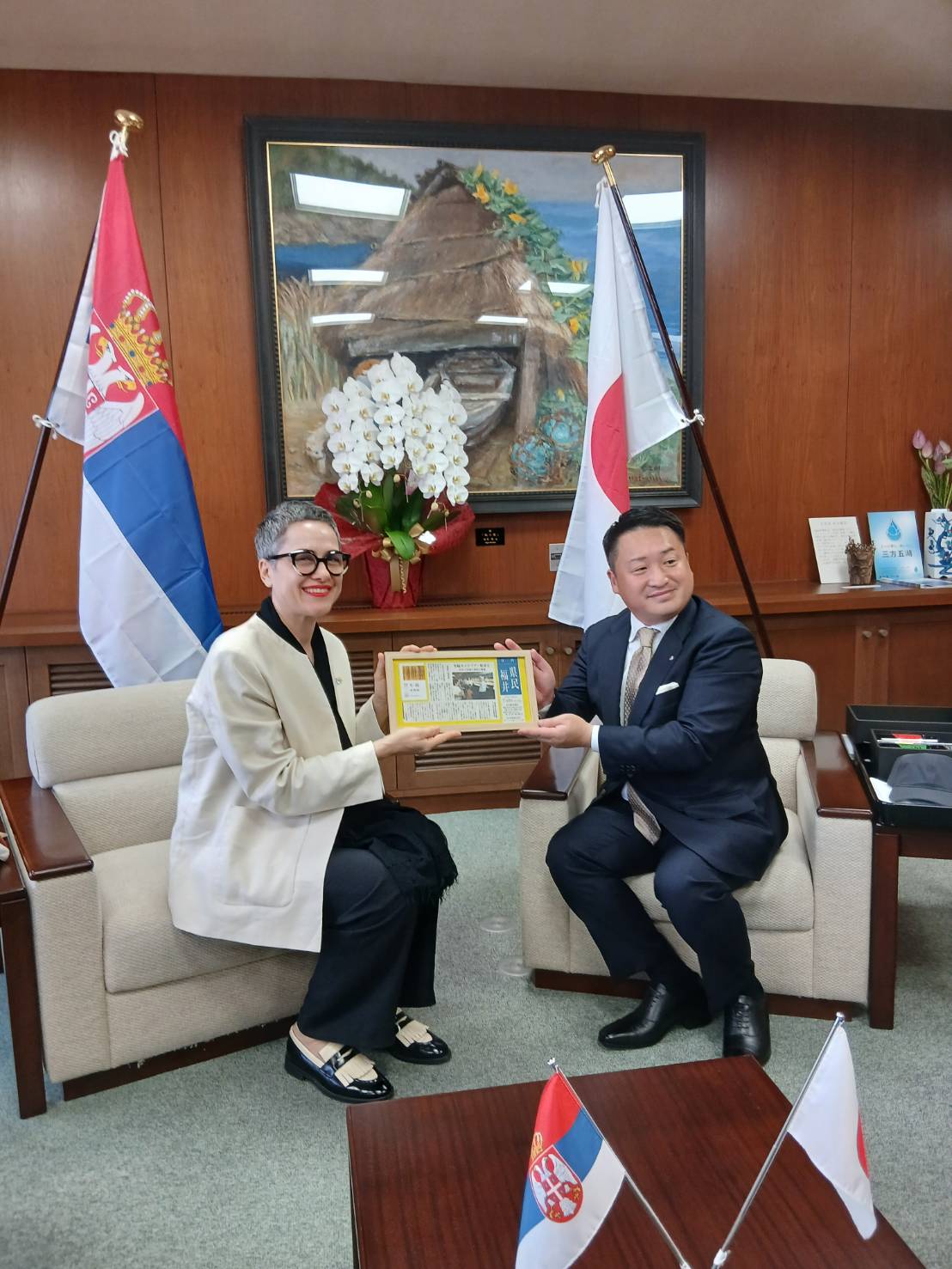
Wakasa Mayor presenting framed article of Serbian scientist to Serbian Ambassador to Japan

Wakasa Town, a coastal community in Fukui Prefecture known for the Mikata Five Lakes, the Jomon and Varve museums, umeboshi (Japanese plum) production, and more, had never before hosted a foreign ambassador at this level. The visit came about through my proposal to both the Serbian Ambassador to Japan and Mayor of Wakasa Town to have the two communities meet, marking a significant step in extending Japan-Serbia relations beyond Tokyo and into local communities.

Over the course of three days, Ambassador Kovač and Mayor Watanabe were joined by the Head of the Board of Education, the Women’s Branch of the Wakasa Town Chamber of Commerce, the Chairman of the City Council, and a variety of heads of businesses in the Town representing the agriculture, pharmaceutical, and auto-manufacturing sectors among others to for a series of productive meetings and cultural exchanges. Highlights included a business roundtable, magatama-bead making at the Jomon Museum, a kayak tour in the Tsunegami Peninsula, and public presentation on Expo 2027 and Serbia-Japan relations.

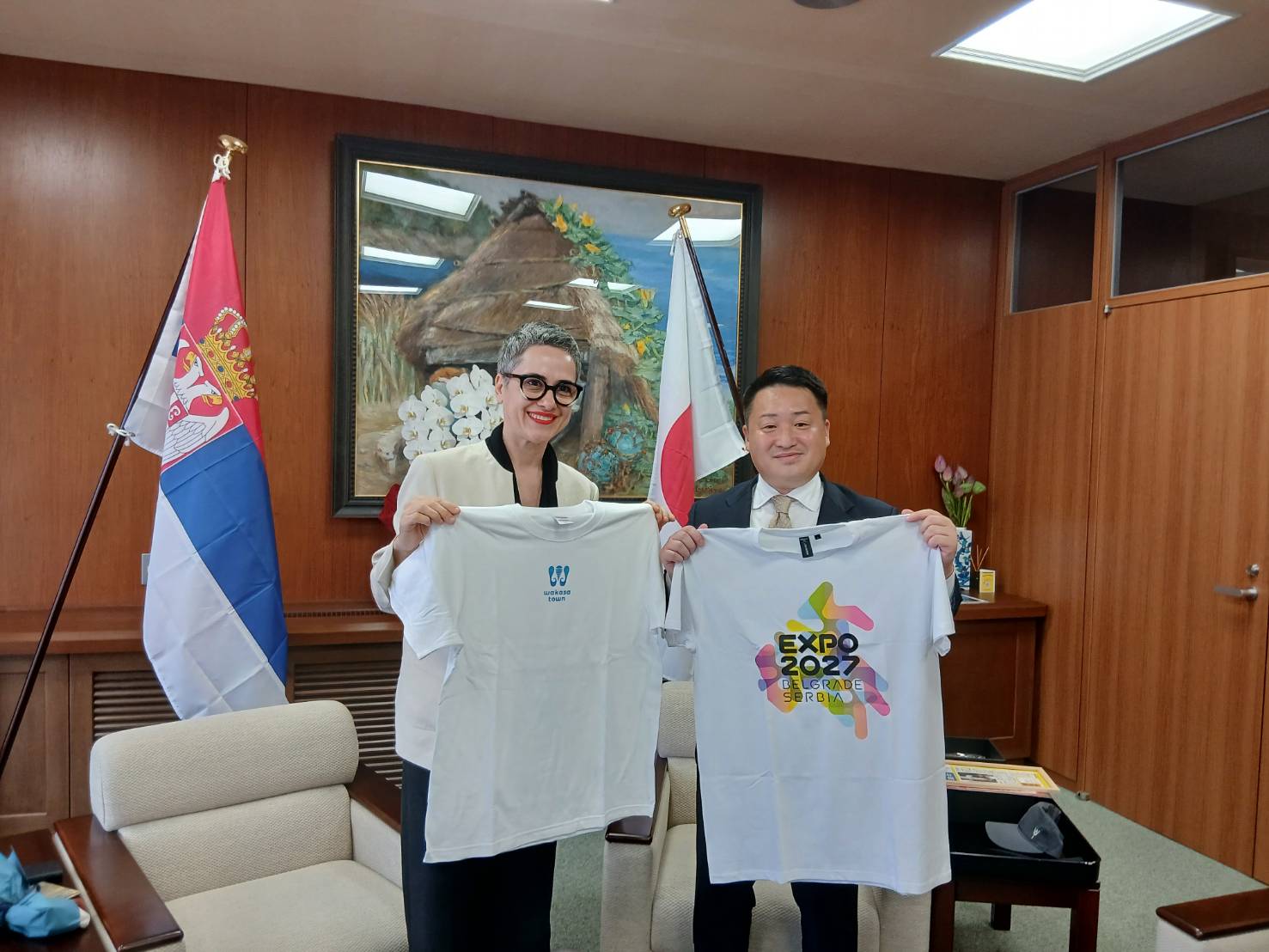
Ambassador and Mayor exchange shirts ahead of Expo 2027

The visit also gave Ambassador Kovač the opportunity to introduce Wakasa Town leaders to Expo 2027, Serbia’s upcoming World Expo set to take place in Belgrade from May 15- August 15, themed around “Play for Humanity”. The exchange highlighted the growing appetite on both sides for deeper ties between Japanese municipalities and Serbia. Mayor Watanabe introduced the Serbian Ambassador to Wakasa ume (plums), wine, the world-class Jomon and Lake Suigetsu Varve museums, and the Mikata Five Lakes showcasing a unique rural portrait of Japan that cannot be found elsewhere.

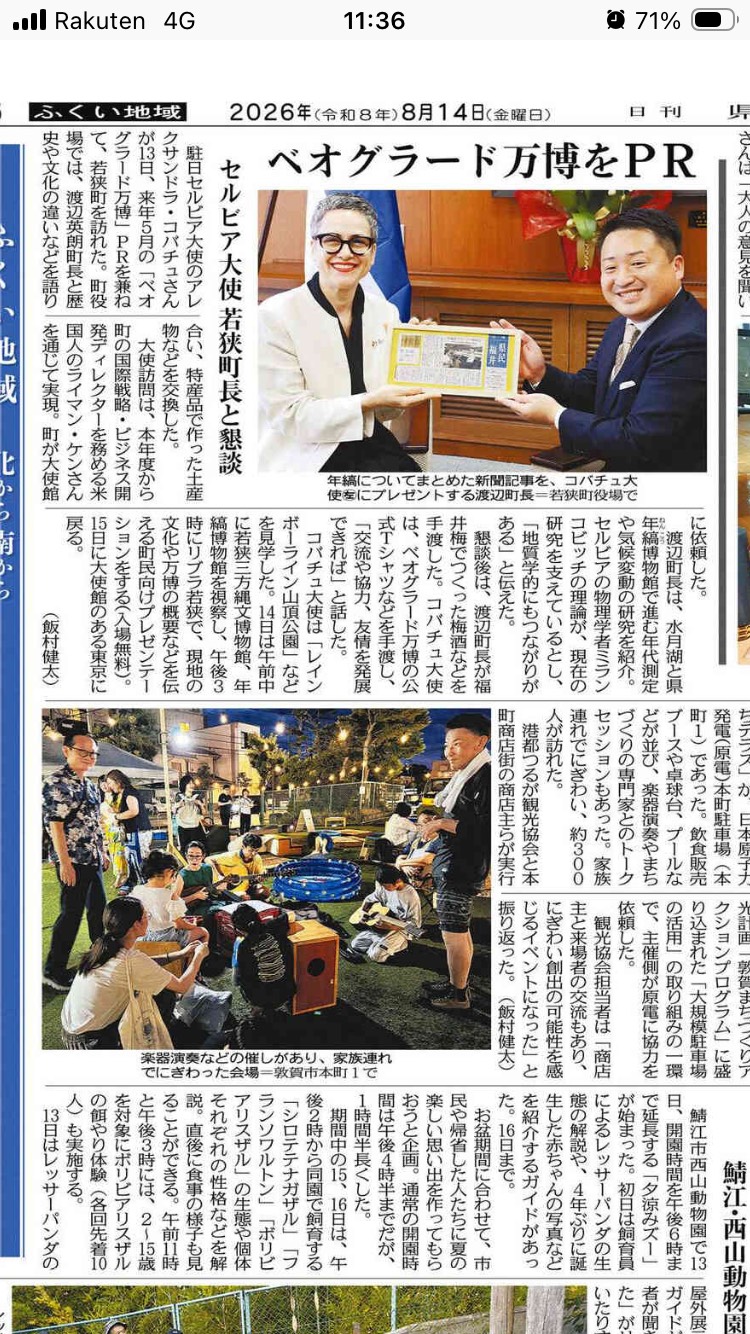
The visit was highlighted in the local Fukui Shimbun. I was honored to have played a role as a facilitator, creating new relationships and bonds between hitherto separate communities. Looking ahead, there will be opportunities for further exchanges. Connecting communities across borders one visit at a time!

Fukui Shimbun newspaper article on historic visit.
Posted by reimanko in Global Affairs & Diplomacy
It’s Never Too Late: My First Time Trying Kendo

It’s Never Too Late: My First Time Trying Kendo

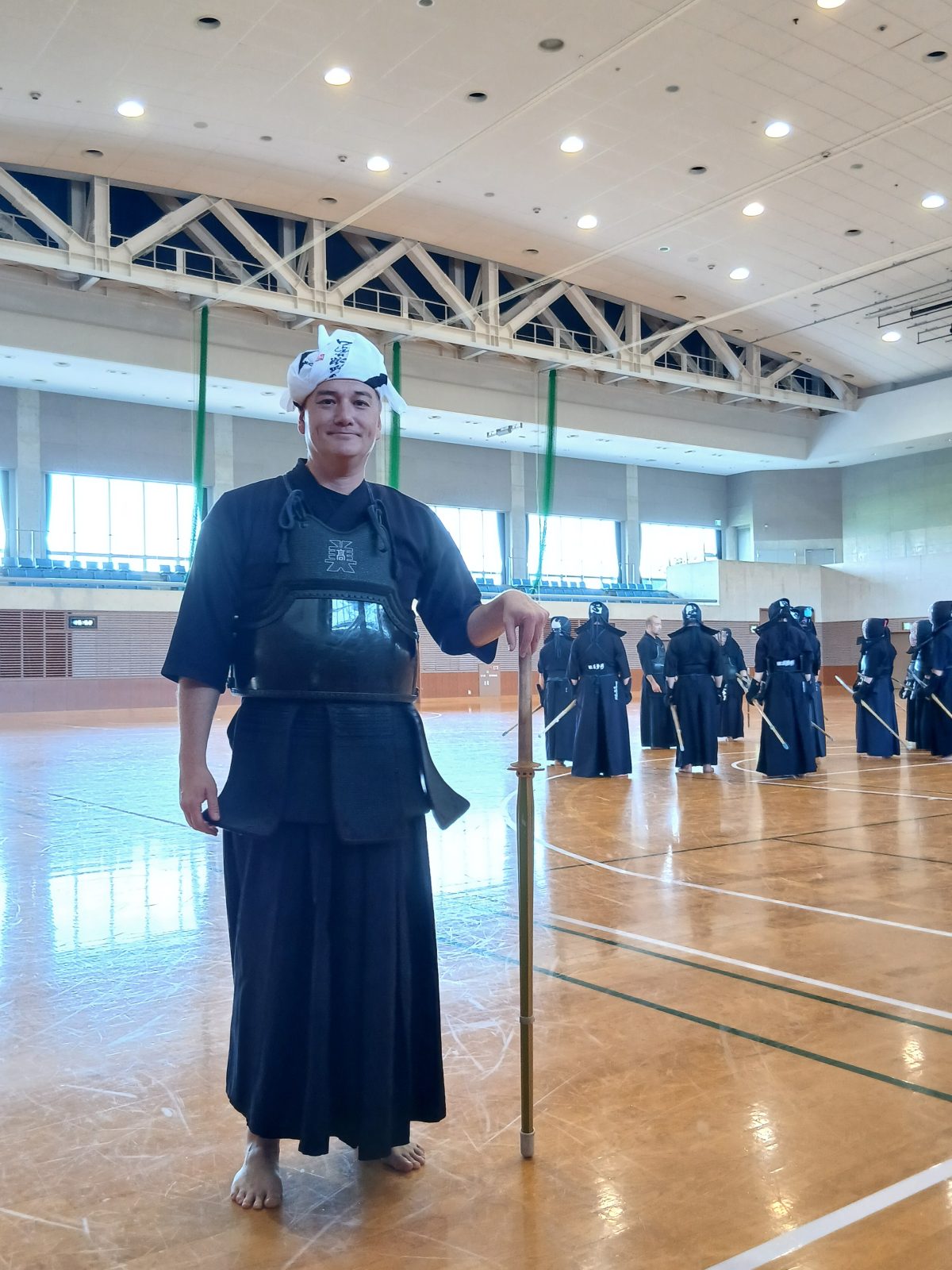
I never imagined at 24 I would become a U.S. diplomat and travel the world. I never thought at 42 I would publish my first book, and then a second, six years later. At 48, I never imagined I would write an original song in both English and Japanese for a rural town. And today, I had the honor of trying, for the first time, the Japanese martial art of Kendo.

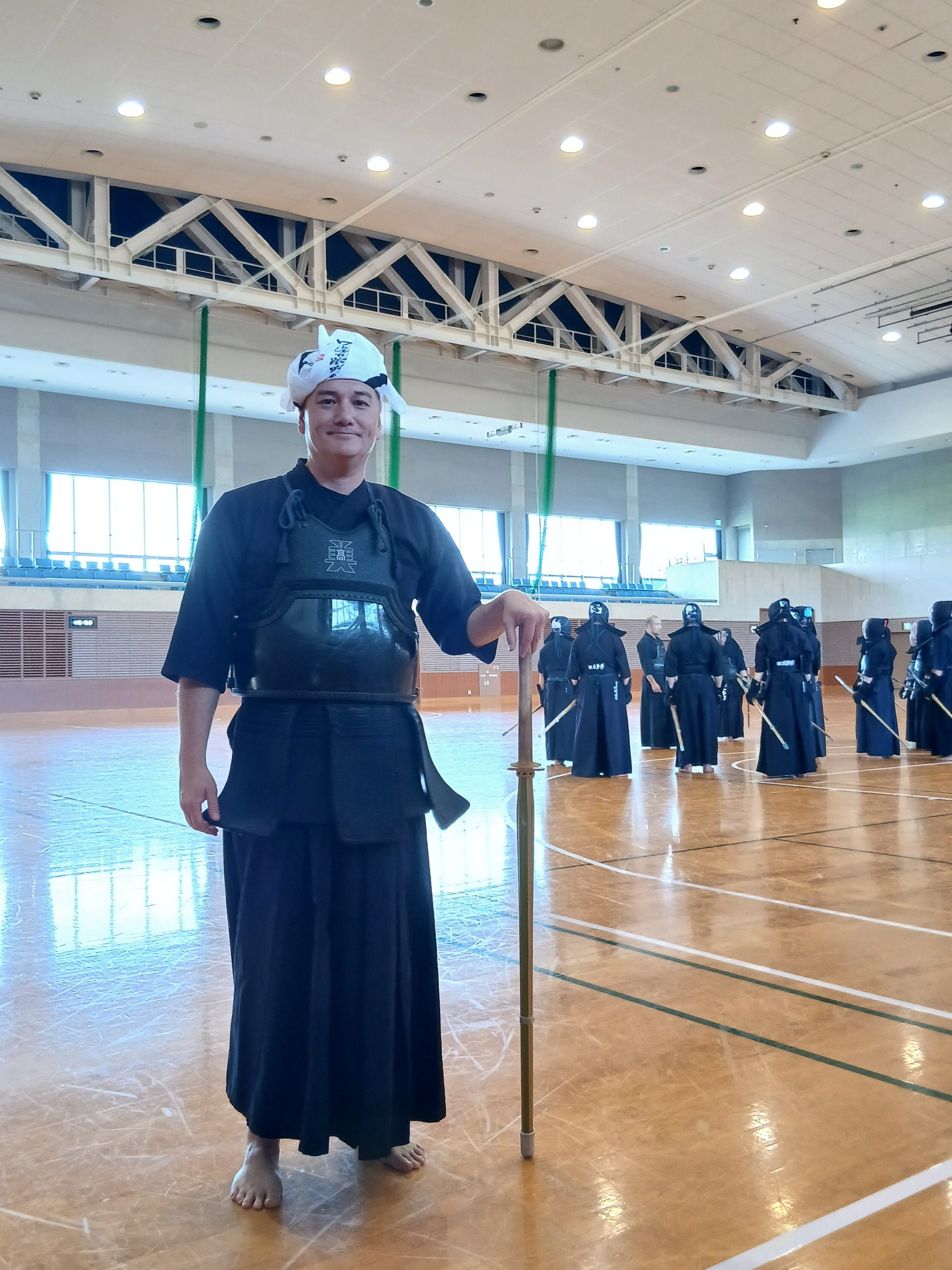
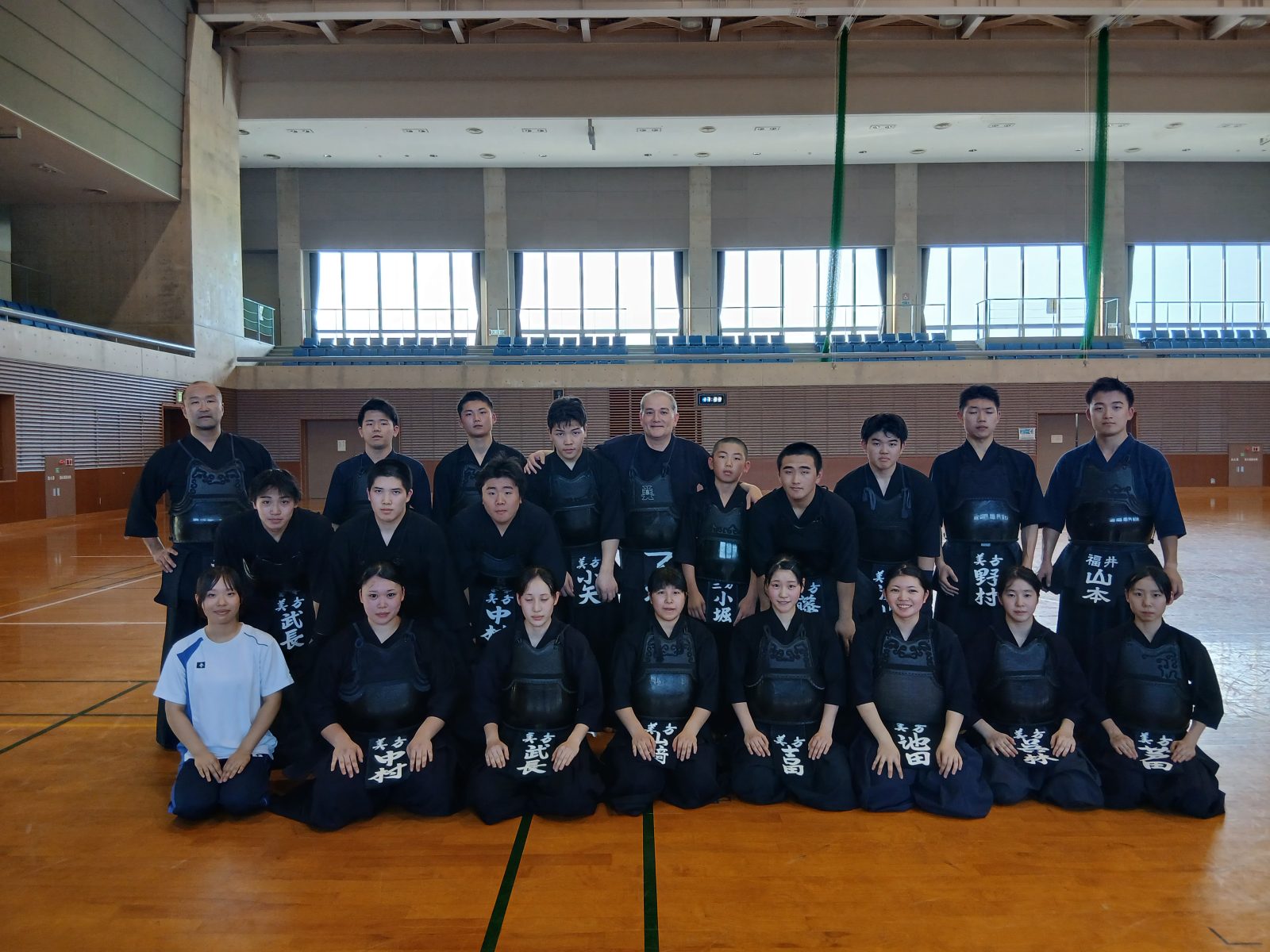
The invitation came from the Mikata High School Kendo Team, and I said yes before I fully understood what I was getting myself into. I arrived at the gymnasium not entirely sure what to expect, and left with a completely different appreciation for the discipline, history, and physicality behind this centuries-old martial art.

Stepping Into the Dojo

The team welcomed me warmly, fitting me with the bogu, the traditional armor: the do (chest protector), the men (helmet with its steel grille), and the kote (padded gloves). It’s heavier than it looks, and once it’s on, you understand immediately why posture and breathing matter so much in this sport.

Training alongside me were students preparing for a national tournament, guided by a 7th-degree Kendo master whose calm authority filled the entire gym. Watching the students practice, their strikes landing with incredible speed, strength, and precision, was humbling. Every motion, from footwork to the shout that accompanies a strike, is refined through years of repetition.

What Kendo Taught Me

I learned two things today.

First, there is no age where learning stops. New adventures are always available as long as we keep an open mind and embrace new challenges. Whether it’s stepping into a dojo for the first time or picking up a new skill later in life, growth doesn’t have an expiration date.

Second, Kendo teaches discipline, focus, and the ability to act with total commitment in a single moment. There’s no hesitation in a real strike; commitment has to be total, or it doesn’t land. Those same principles carry from the dojo straight into the executive boardroom: clarity of purpose, decisiveness, and the willingness to fully commit to a decision once it’s made.

Looking Ahead

I can’t wait to see what comes next, and to keep training with these future leaders. Watching young people pursue mastery with such seriousness and joy is a reminder that tradition and ambition aren’t mutually exclusive; they can, and often do, walk hand in hand.

Thank you again to the Mikata High School Kendo Team for the generosity of welcoming a complete beginner into your training, and for sharing a piece of Japanese culture and discipline that I won’t soon forget.

The Mikata High School Kendo Team

Posted by reimanko in Global Affairs & Diplomacy
A Fellow Diplomat, A Shared Vision: Meeting the Governor of Fukui

A Fellow Diplomat, A Shared Vision: Meeting the Governor of Fukui

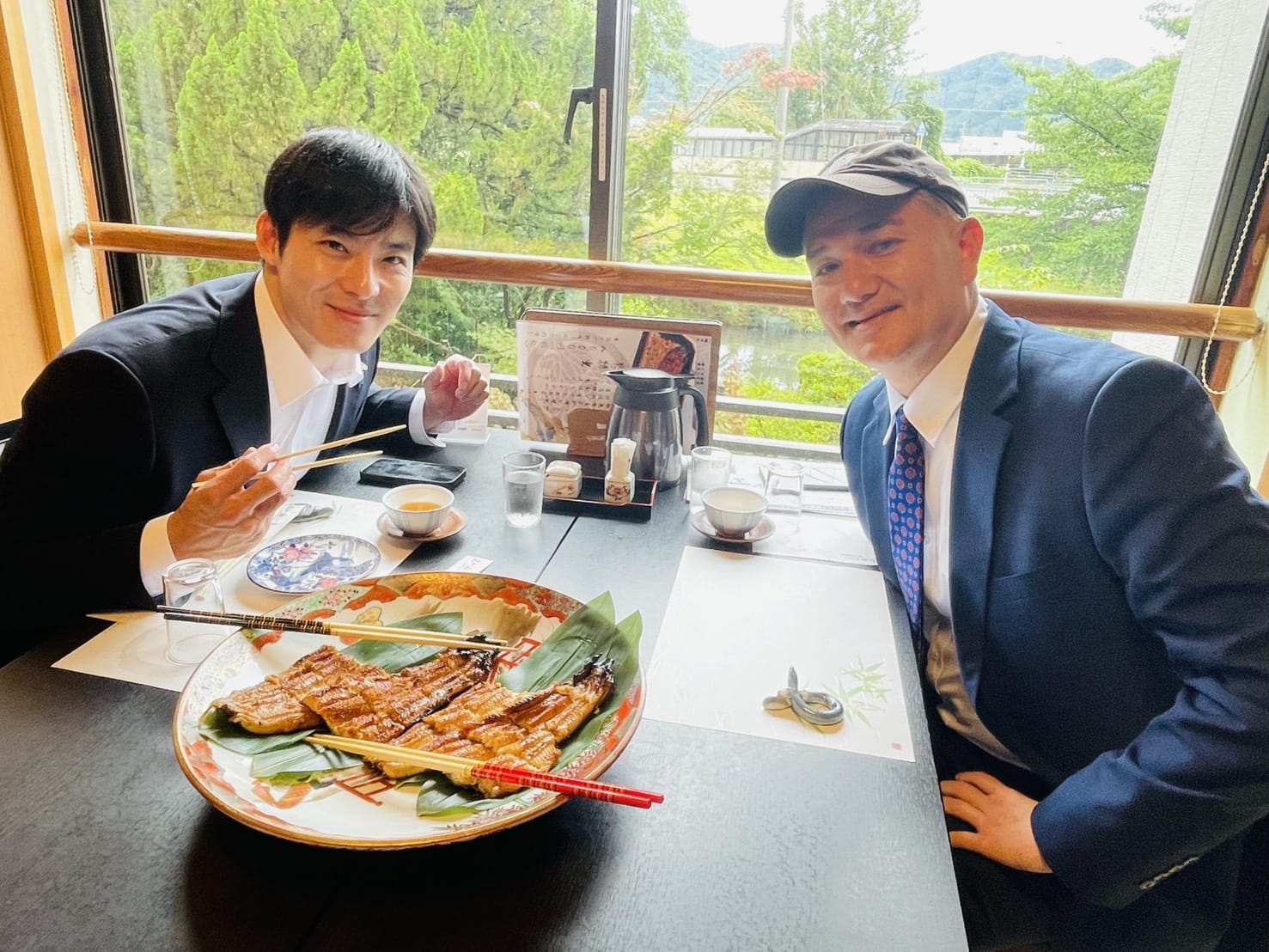
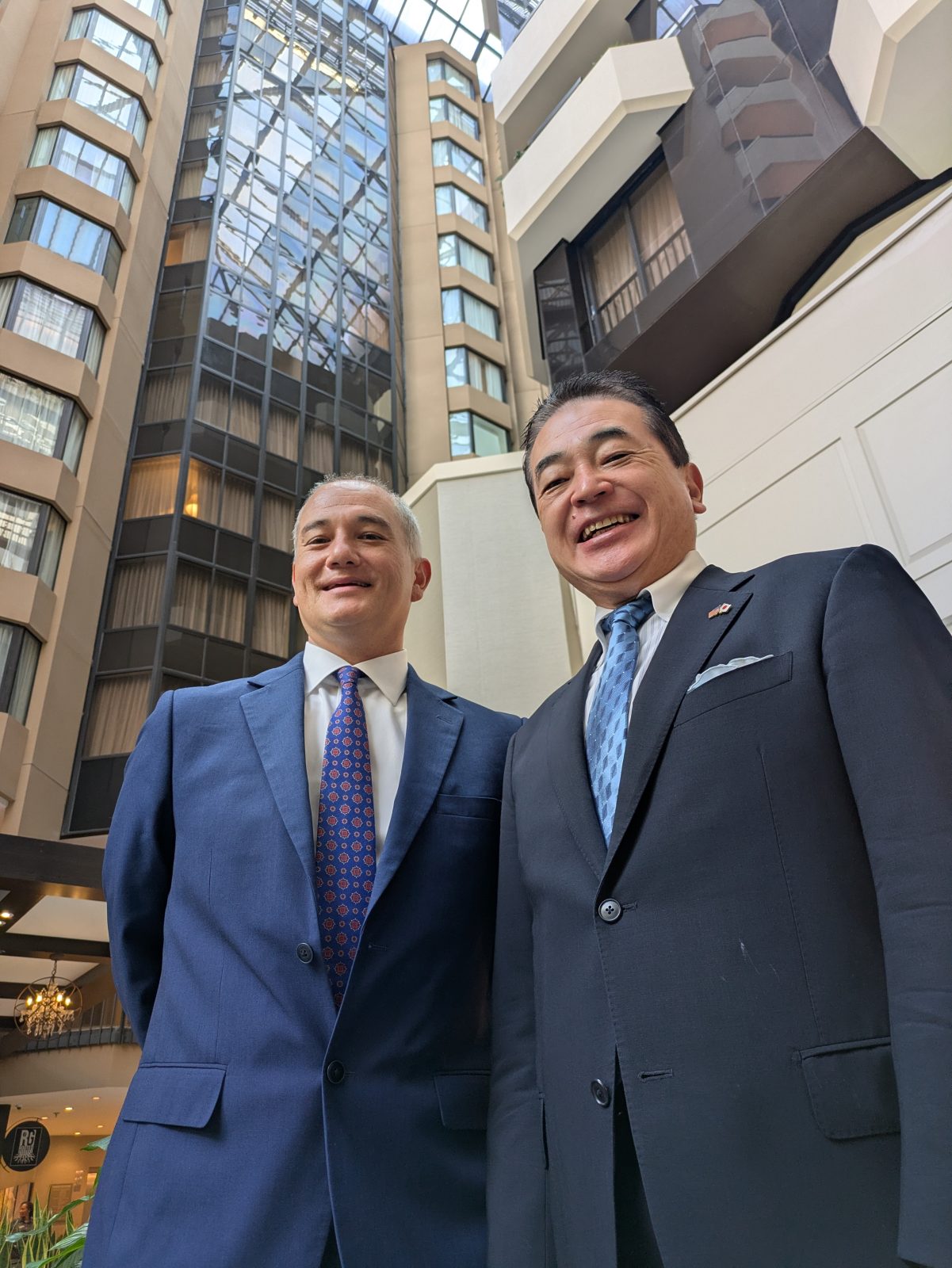
It was a genuine honor to meet Governor Takato Ishida of Fukui Prefecture and spend an afternoon exchanging views on strengthening international partnerships, education, and rural revitalization.

As it turns out, we have more in common than a shared interest in Fukui’s future. Governor Ishida is a fellow Georgetown alum and, like me, spent time as a diplomat before this next chapter of his career. There’s something remarkable about sitting across the table from someone who has walked a similar path: years abroad, representing your country, learning to navigate different cultures and institutions, and eventually finding a new way to serve.

Our conversation over lunch was meaningful. We talked about what it takes to prepare the next generation of Japanese leaders: not just technical skills, but a genuinely global mindset, strong language ability, and real international exposure. Rural prefectures like Fukui face a particular challenge here. The talent and ambition exist, but the pathways to global engagement aren’t always as visible or accessible as they are in Tokyo or Osaka.

Governor Ishida’s own background, a diplomat who chose to return home and lead at the prefectural level, is a compelling example of what’s possible when local roots and global experience come together. I left our lunch with real optimism about Fukui’s future.

I wish him great success as he works to equip young people here with the tools to strive beyond the borders of the U.S. and Japan.

Eating lunch together
Posted by reimanko in Global Affairs & Diplomacy

Meeting the First Gentleman of Slovenia

It was an honor to meet the First Gentleman of Slovenia and discuss his work to promote Slovenian culture and heritage internationally. I also look forward to welcoming him to Japan in the future, where I will soon begin my new position as Director of Global Strategy and Business Development.

Posted by reimanko in Global Affairs & Diplomacy

Faith, Diplomacy, and the Journey of Understanding

I recently had the opportunity to speak with the Coming Home Network about the importance of faith in my life and career. We discussed topics ranging from family and relationships to how engaging with people of different faith traditions has shaped my understanding of myself and others. We also explored how a career in diplomacy has broadened my worldview in meaningful and lasting ways.

The full interview can be viewed on my Media & Interviews page, where I share additional conversations on leadership and global engagement, or directly here.

Conversations like this are a reminder that diplomacy today is not just about governments—it’s about connecting people, ideas, and opportunities across borders.

Posted by reimanko in Global Affairs & Diplomacy

Lessons from One of America’s Greatest Diplomats

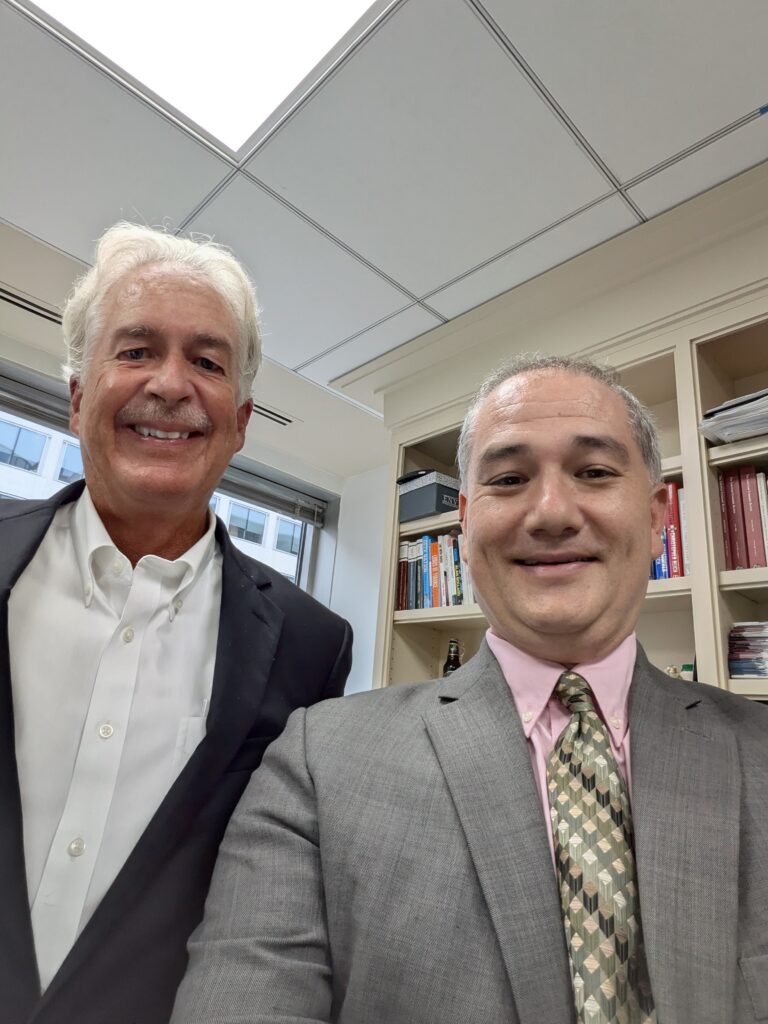
I recently had the privilege of connecting with Ambassador Bill Burns — a public servant whose career represents diplomacy at its best.

He demonstrated that effectiveness and decency are not competing traits. They reinforce each other.

Throughout his career bridging diplomacy and intelligence, he earned trust across political lines while maintaining humility and professionalism.

His example reminds us that leadership is not defined by volume or visibility, but by integrity, consistency, and respect for others.

In an age of noise, quiet competence remains powerful.

Bill Burns standing with the author in a posed photo.
Ambassador Bill Burns and Me
Posted by reimanko in Global Affairs & Diplomacy

Supporting Arizonans and Federal Workers Who Serve the Public Good Daily. Thank you!

Thank you, Senator Kelly, for your steadfast support of Arizonans, for recognizing the vital contributions of federal employees—both Foreign Service Officers and Civil Servants—in safeguarding our nation, and for your continued dedication to public service.

ケリー上院議員に心より感謝申し上げます。アリゾナ州民への揺るぎないご支援、米国外交官および公務員による国家安全保障への重要な貢献をご認識いただき、さらに公共サービスへの継続的なご尽力に、深く敬意を表します。今後とも宜しくお願い致します。

Meeting with Senator Mark Kelly discussing federal employees and public service
Discussion on public service and the role of federal employees with Senator Mark Kelly.
Posted by reimanko in Leadership & Identity

Empowering Women and Girls with Disabilities

Empowering women with disabilities is an important part of building stronger and more inclusive communities.

I was honored to meet Abigail Bachman, Miss Nevada 2025, who holds a doctorate in Occupational Therapy and serves as Executive Director of a nonprofit supporting women and girls with disabilities across Nevada. Thanks to her Dad, a retired AFRICOM official, for taking the photo.

Her work focuses on confidence, independence, and opportunity for young people navigating physical and developmental challenges. Advocacy and community leadership help ensure individuals are recognized for their abilities and potential.

Best wishes to Abigail as she prepares for the Miss America Organization 2026 competition in Orlando, Florida.

Meeting Miss Nevada Abigail Bachman discussing advocacy for women and girls with disabilities
With Miss Nevada 2025 Abigail Bachman discussing empowerment and disability advocacy.
Posted by reimanko in Faith & Spiritual Reflection