November 25, 2026 | Diplomacy & International Relations
Language skills matter. People skills matter. Diplomacy matters.
You cannot claim expertise in a country while bypassing the hard work of learning its language, understanding its culture, and building meaningful relationships.
Language proficiency is about far more than communication. It provides a window into how people think, what they value, and how they perceive the world. It allows us to engage directly, appreciate cultural nuances, and build relationships that transcend formal introductions and official meetings.
There are no shortcuts to trust. Relationships built on mutual respect can last for generations. Yet trust that takes years to establish can be lost overnight.
Diplomacy Beyond Traditional Channels
After more than two decades as a U.S. diplomat, I have discovered something remarkable: opportunities that my official diplomatic role never afforded me have emerged through my work outside traditional diplomatic channels.
Titles and credentials can open doors, but they only take you so far. Without substance, credibility, and genuine understanding, words alone carry little weight.
My work in rural Japan has reinforced my conviction that diplomacy does not begin or end in national capitals. Local communities are not merely recipients of national policies. They can be catalysts for international partnerships, economic development, cultural exchanges, and innovation.
National strategies must be informed by local needs, priorities, and aspirations if they are to produce meaningful, lasting results.
Japan’s Next Generation of Leadership
It was a pleasure recently connecting with three of Japan’s emerging leaders:
- Governor Takato Ishida, Japan’s youngest sitting prefectural governor, who leads Fukui Prefecture.
- Koki Ozora, Member of the House of Representatives and Parliamentary Vice-Minister for Foreign Affairs, who made history as Japan’s youngest parliamentary vice-minister.
- Yumi Okubo, Member of the Tochigi Prefectural Assembly and former competitive aerobics athlete who represented Japan at two World Aerobic Championships.
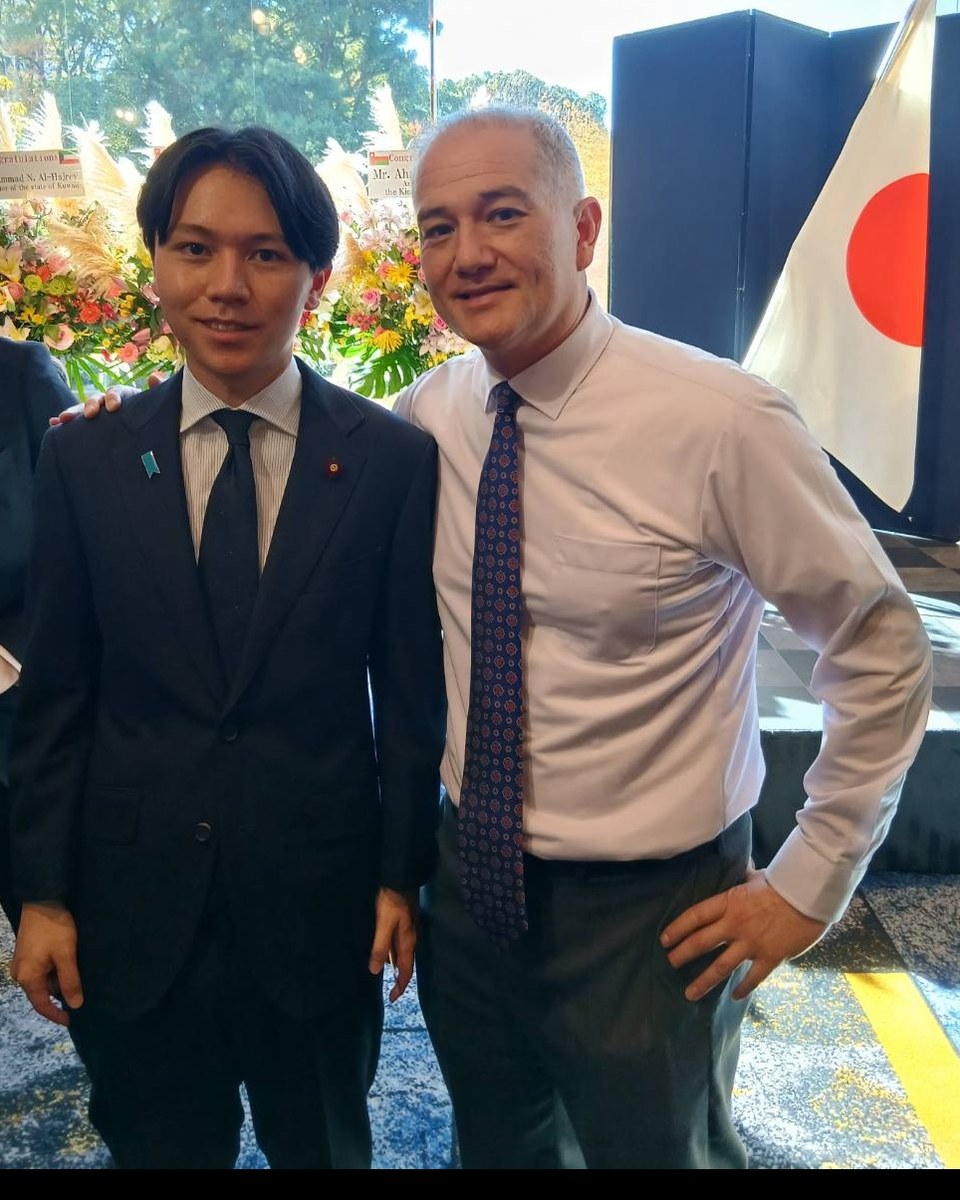
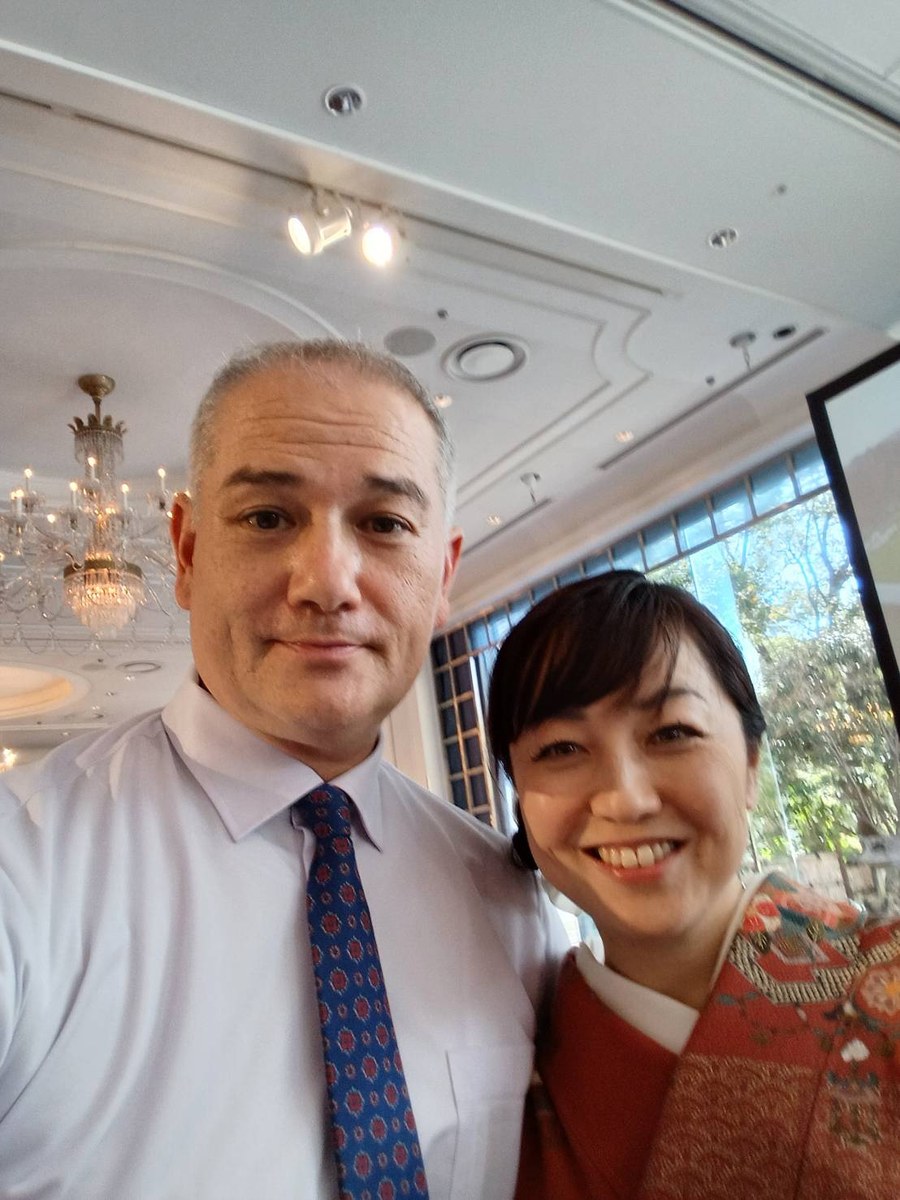
Their leadership at the national and prefectural levels underscores the importance of connecting national priorities with local communities.
These conversations deepen my optimism about the next generation of Japanese leadership and the opportunities for stronger international engagement across Japan.
From Local Communities to the World
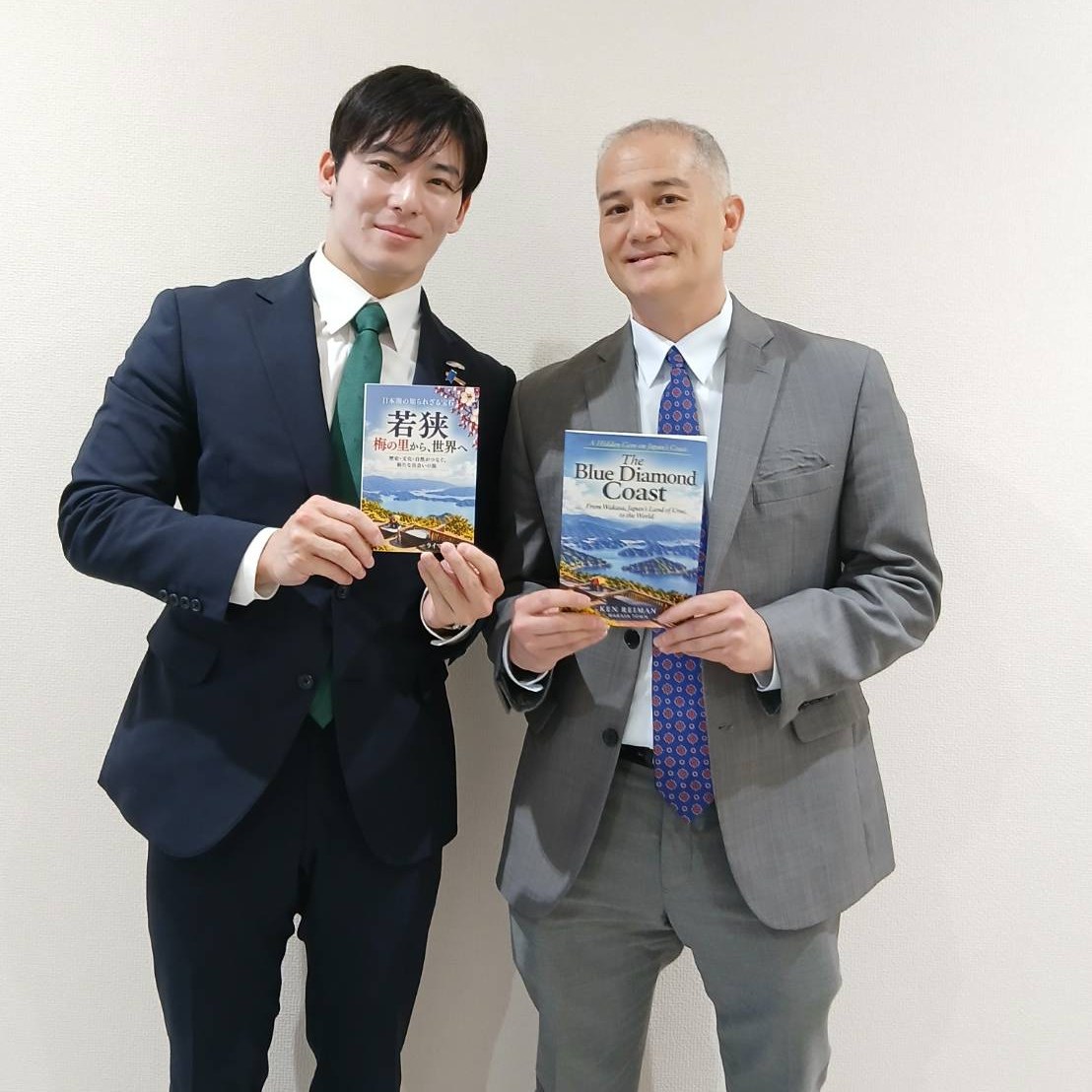
My recent book, The Blue Diamond Coast: From Wakasa, Japan’s Land of Ume, to the World, explores this very theme: how friendship, international exchanges, and strategic partnerships can unlock the immense potential of rural communities.
The future of international relations will be shaped not only by governments and diplomats but also by local leaders, entrepreneurs, educators, and ordinary citizens who recognize the value of building bridges across borders.
Diplomacy is ultimately about people, not positions. Relationships, trust, and results matter more than titles.