It allows ideas to be shared, perspectives to be challenged, and understanding to grow.
In the United States, the First Amendment protects expression and peaceful assembly. In Japan, Article 21 guarantees freedom of speech and prohibits censorship.
Different histories — shared principle.
Across cultures, the ability to speak, listen, and question is not merely legal protection; it is the foundation of resilient communities.
Societies endure not because they agree on everything, but because they allow disagreement to exist peacefully.
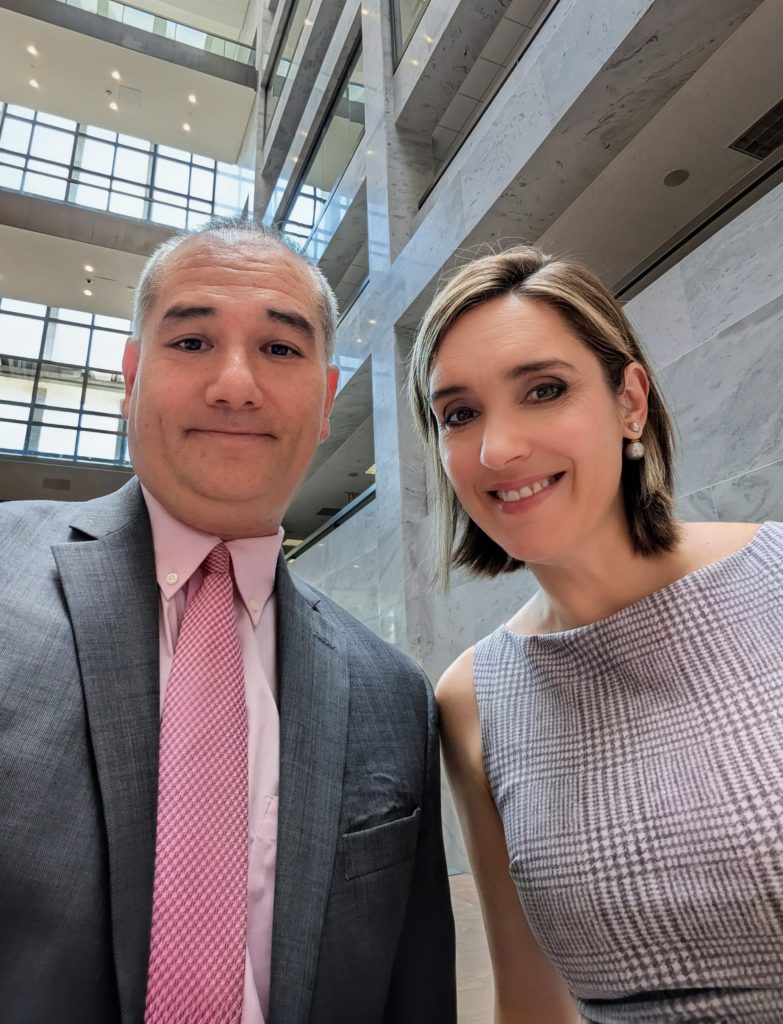
With Margaret Brennan, host of CBS Face the Nation.
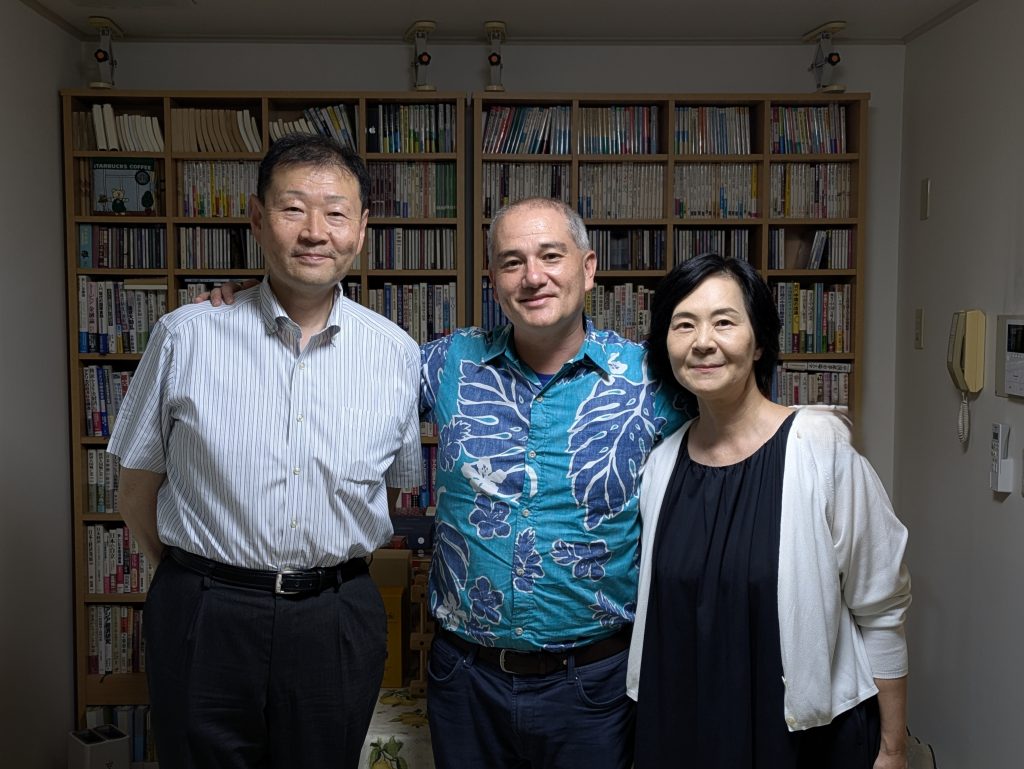
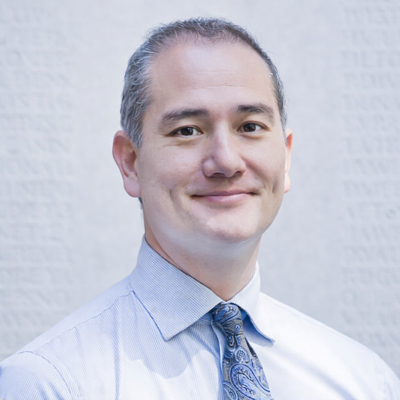
I recently had the privilege of meeting Dr. Arai Takashi — a longtime China analyst, former CSIS Japan Fellow, and researcher affiliated with the Tokyo Institute of Technology — to discuss immigration policy and foreign community integration in Kanagawa Prefecture.
Japan faces a historic demographic challenge: a rapidly aging society and declining population. While automation, AI, and robotics will help mitigate labor shortages, technology alone cannot fully address workforce gaps. Immigration policy and successful integration of foreign residents will play an increasingly central role in Japan’s economic sustainability.
Dr. Arai recently participated in the Tokyo International Conference on African Development (TICAD) in Yokohama and is conducting research on Japan’s relations with the Middle East — regions that may become increasingly relevant in future migration and labor partnerships.
Our discussion reinforced a growing reality: Japan’s long-term prosperity will depend not only on innovation, but also on its openness to people.
His remarkable personal library — only a fraction visible behind us — reflects decades of research dedicated to understanding global demographic change and international cooperation.
Discussing immigration, demographics, and workforce challenges in Japan with Dr. Arai Takashi.
In honor of AAPI Heritage Month, I revisited the remarkable story of Wu Chien‑Shiung — a scientist whose brilliance reshaped modern physics and whose courage challenged the boundaries placed on women in science.
Often called the “Queen of Physics” and the “First Lady of Physics,” Wu Chien‑Shiung was a Chinese‑American physicist whose work fundamentally changed our understanding of the universe. Born in China, she later earned her PhD in the United States and became a U.S. citizen in 1954. Her groundbreaking experiments disproved the long‑held belief that nature does not distinguish between right and left — a principle known as parity.
Her discovery was so revolutionary that it earned her two male colleagues the 1957 Nobel Prize in Physics, while Wu herself was excluded. Despite being nominated at least seven times before 1966, she never received the Nobel Prize during her lifetime. Her omission remains one of the most widely recognized injustices in the history of the award.
Wu was acutely aware of the gender discrimination that permeated the scientific world. At an MIT Symposium in October 1964, she delivered a powerful reflection on equality:
“I wonder whether the tiny atoms and nuclei, or the mathematical symbols, or the DNA molecules have any preference for either masculine or feminine treatment.”
As a dual national of the United States and China, Wu Chien‑Shiung not only advanced physics but also fought for social justice, fairness, and gender equality. Her legacy continues to inspire generations of American and Asian women in STEM.
During AAPI Heritage Month, her words — and her example — remind us that the pursuit of knowledge is universal, and the fight for equality is ongoing.
American history is diverse, and there is still much that is not widely taught. A little-known site in Lorton, Virginia, is the former Workhouse Prison, now home to the Lucy Burns Museum. From 1917 to 1918, Lucy Burns and other suffragists were imprisoned there for picketing the White House in support of a constitutional amendment granting women the right to vote.
Entrance to the Lucy Burns Museum in Lorton, Virginia
Today, the former prison cells remain visible, now filled with powerful works of art. The transformation of confinement into creativity is striking. Thanks to the courage of these women, generations of Americans can exercise the right to vote.
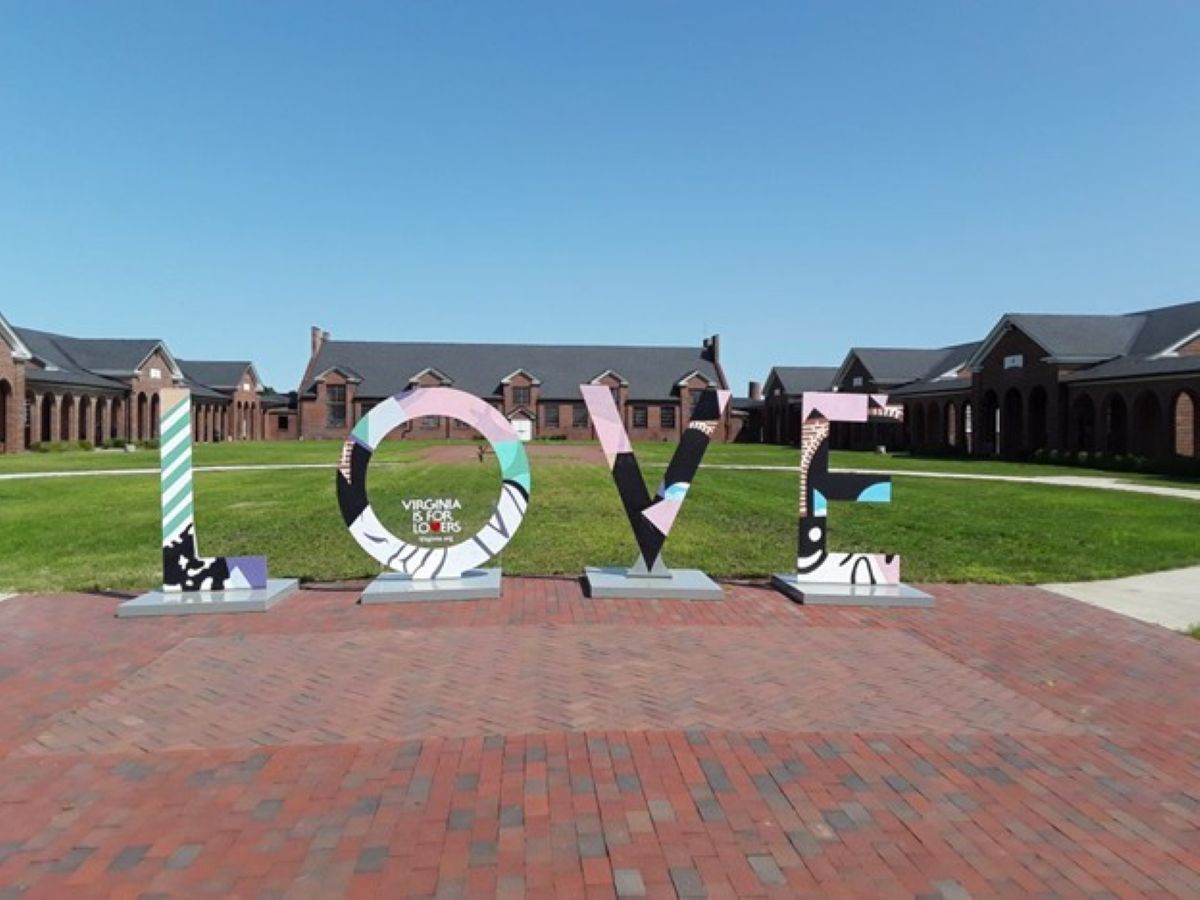
LOVE sculpture in the courtyard of the Lucy Burns Museum
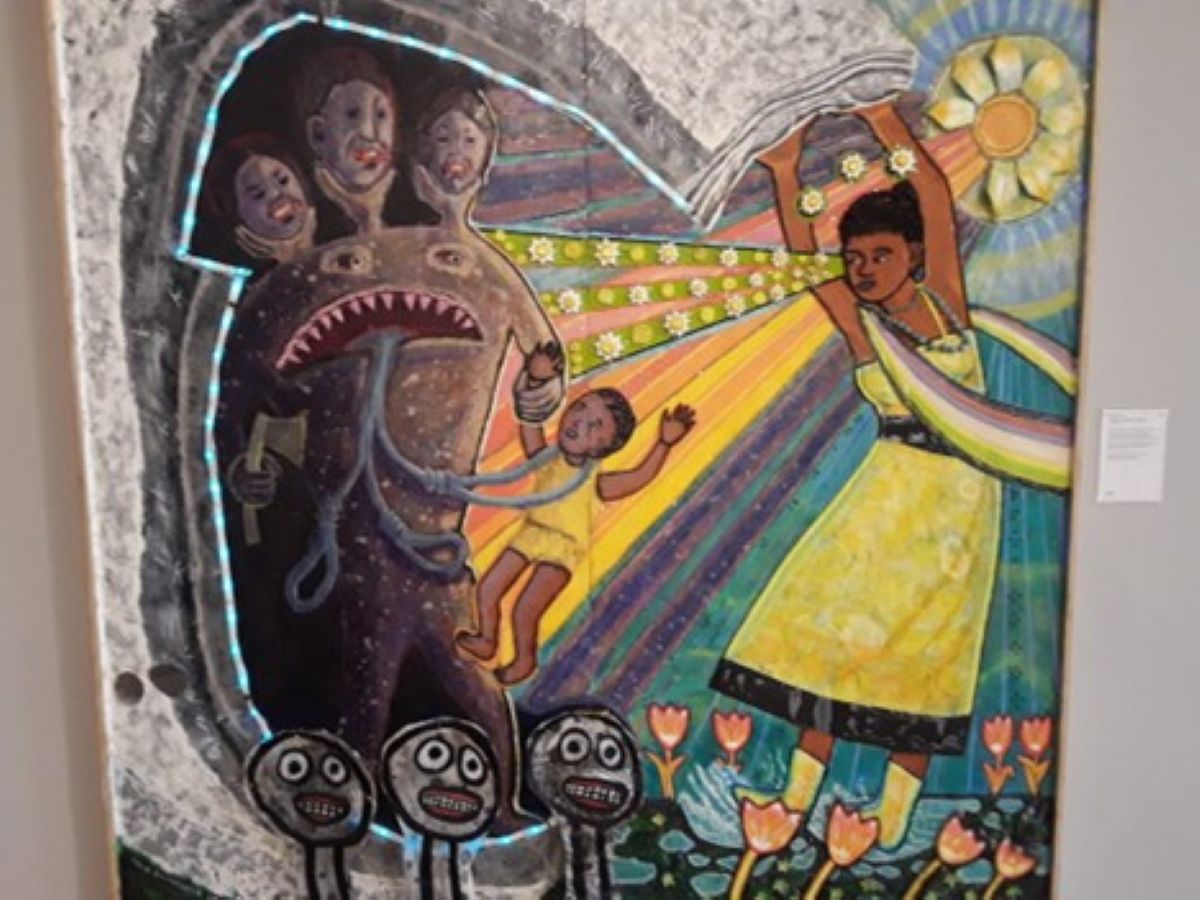
Among the artwork on display is a powerful painting honoring Ida B. Wells and confronting the evils of racism, a reminder that the struggle for justice has taken many forms across American history.
Artwork honoring Ida B. Wells at the Lucy Burns Museum
Frank Sinatra, Ella Fitzgerald, and Duke Ellington also performed on site, adding another layer of cultural history to this remarkable place. There is much to explore at the Lucy Burns Museum. It is well worth a visit.
Places like the Lucy Burns Museum remind us that constitutional change often begins with ordinary citizens willing to endure extraordinary sacrifice. Civic progress rarely comes without courage. The right to vote, now taken for granted by many, was secured because individuals stood firm in the face of opposition. History is not only something to study. It is something to learn from.
Dual citizens bring nations closer. I argue this in my book LoveBothKeepBoth: Passport to Peace, Prosperity and Strengthened Diplomacy. Tom Hanks and Rita Wilson agree. The couple officially became dual citizens this week by obtaining Greek citizenship. Congratulations!
Using this occasion to share one of my favorite Tom Hank’s quotes: “If it wasn’t hard, everyone would do it. It’s the hard that makes it great.”
Prejudice against dual nationality is a stance against value pluralism. Yet, value pluralism is an essential need for the long-term stability of an open democratic society.
Pressuring or forcing dual nationals to renounce one of their citizenships communicates that love of country must equate to love of the country’s government – as opposed to communicating government’s duty to earn the love of its citizens.
Pressuring or forcing dual nationals to renounce one of their citizenships is analogous to creating a brick-less Berlin Wall. It locks in the citizen by making defection more difficult such that poor governance need not result in loss of subjects.
For as long as man has kept written history, leaders have recognized that dual nationality is a tool to keep the peace. Emperors and kings frequently married the offspring of rulers from other nations thereby creating a dual national in their spouse while encouraging peace and cooperation between the nations.
The origins of prejudice against dual nationality stem from war and the desire for certainty regarding who can be trusted when lives are at stake. If that is true, there seems to be little if any need for such prejudice in times of peace. Keeping that prejudice in play during times of peace communicates a perceived need for preparedness in case of future war. The deep symbiotic relationship between the U.S. and Japan has, long since, outgrown the need for such preparedness. So, keeping it in play is dishonorable.
Search
Ken Reiman is a diplomat, author, and global affairs speaker whose work reflects faith, leadership, and lived international experience.