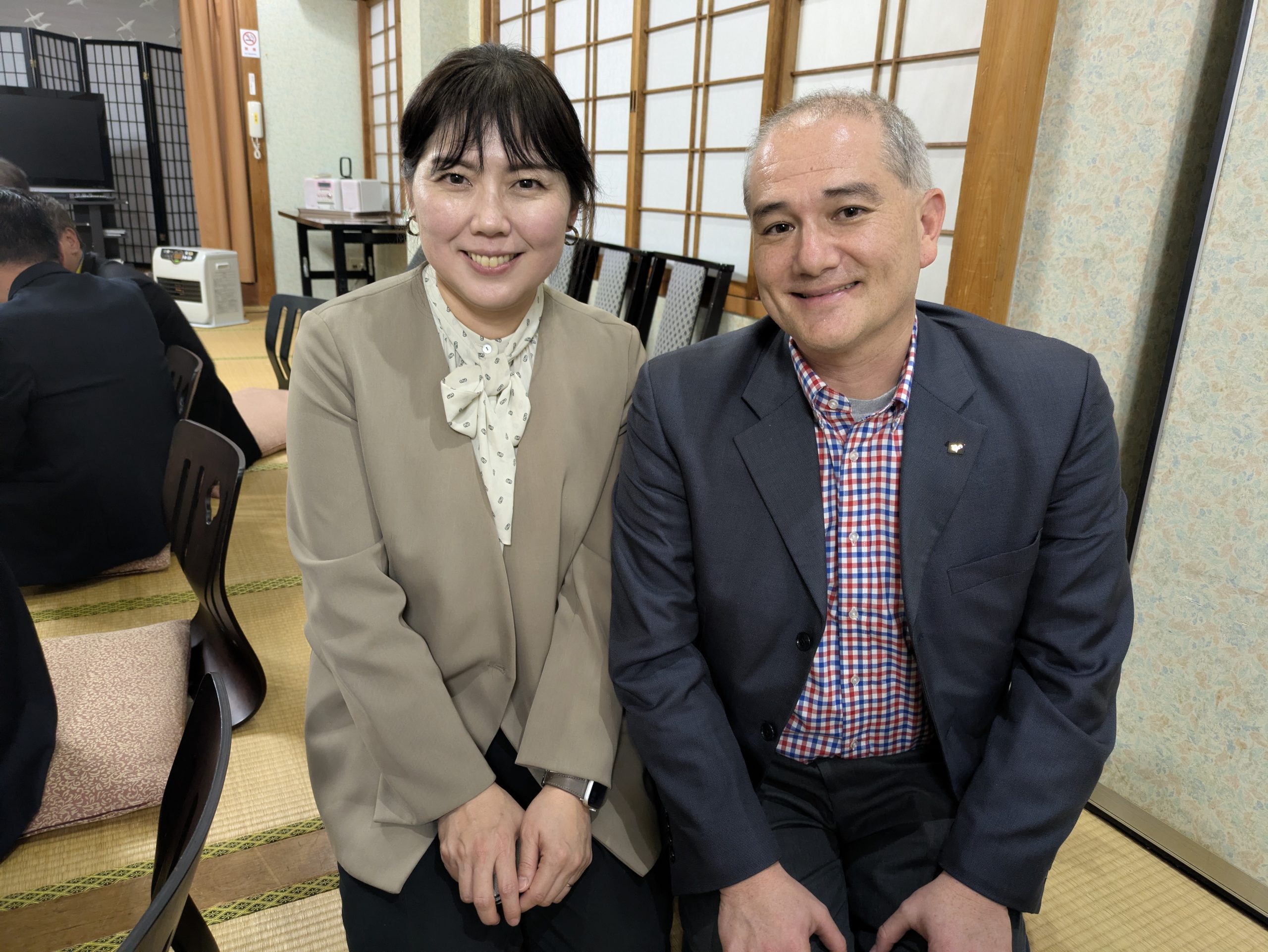
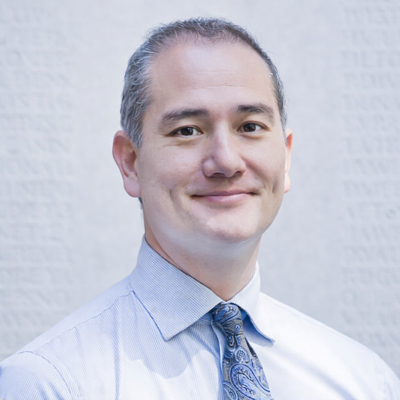
I recently had the opportunity to speak with the Coming Home Network about the importance of faith in my life and career. We discussed topics ranging from family and relationships to how engaging with people of different faith traditions has shaped my understanding of myself and others. We also explored how a career in diplomacy has broadened my worldview in meaningful and lasting ways.
The full interview can be viewed on my Media & Interviews page, where I share additional conversations on leadership and global engagement, or directly here.
Conversations like this are a reminder that diplomacy today is not just about governments—it’s about connecting people, ideas, and opportunities across borders.
I was recently asked: What are fun ways to teach kids about different cultures and customs? It is a thoughtful question and one that matters more than ever in a connected world.
One of the simplest ways to spark curiosity is through books. Reading children’s stories written in different languages or translated from other cultures opens a window into how families around the world think, speak, and live. When parents show genuine interest in other cultures, that curiosity becomes contagious.
Travel is another powerful teacher. When children experience different customs firsthand, whether through food, language, music, or everyday interactions, the lessons stay with them far longer than anything learned in a classroom.
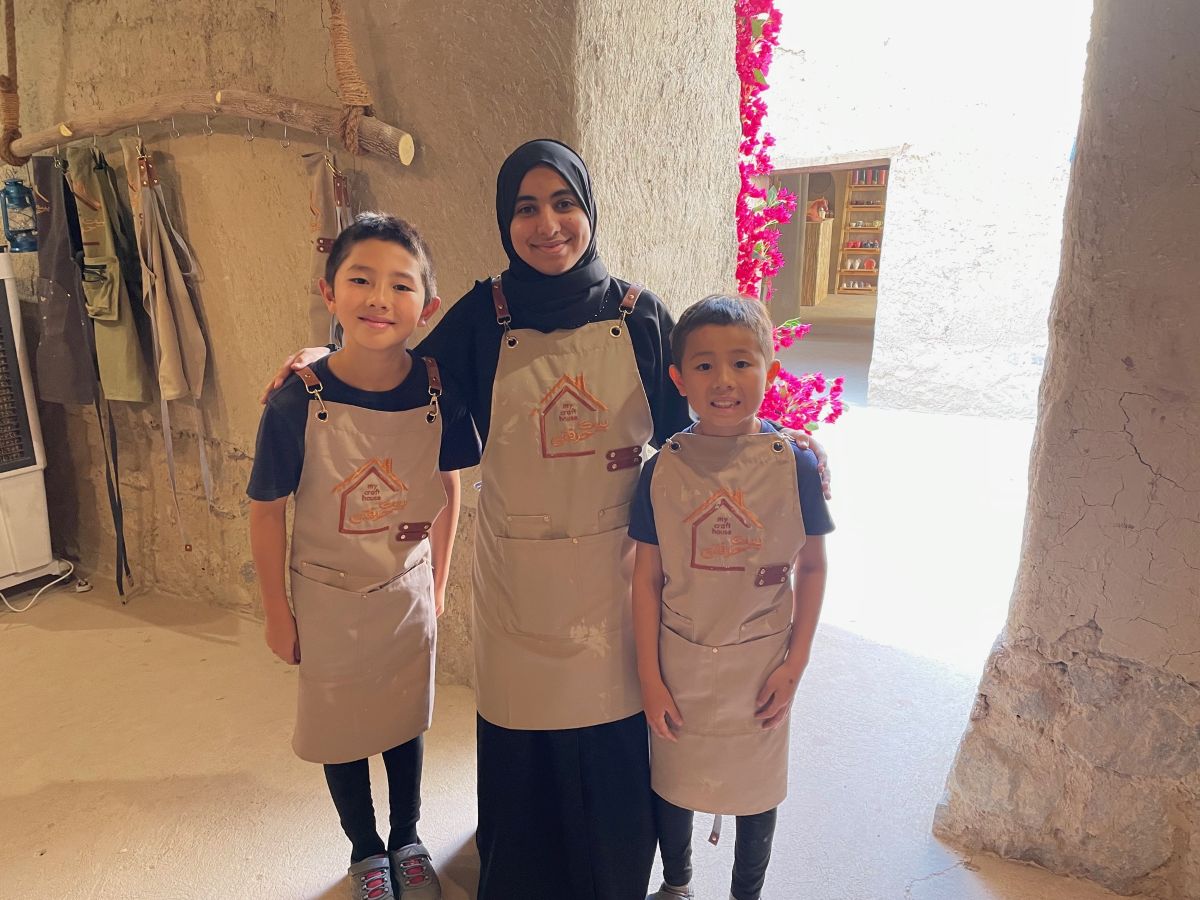
Inside Bahla Fort in Nizwa, Oman, my boys learned pottery while hearing the rhythm of Arabic spoken patiently by a local instructor. They practiced new words and gained confidence simply by listening and trying.
Learning traditional pottery in Nizwa, Oman
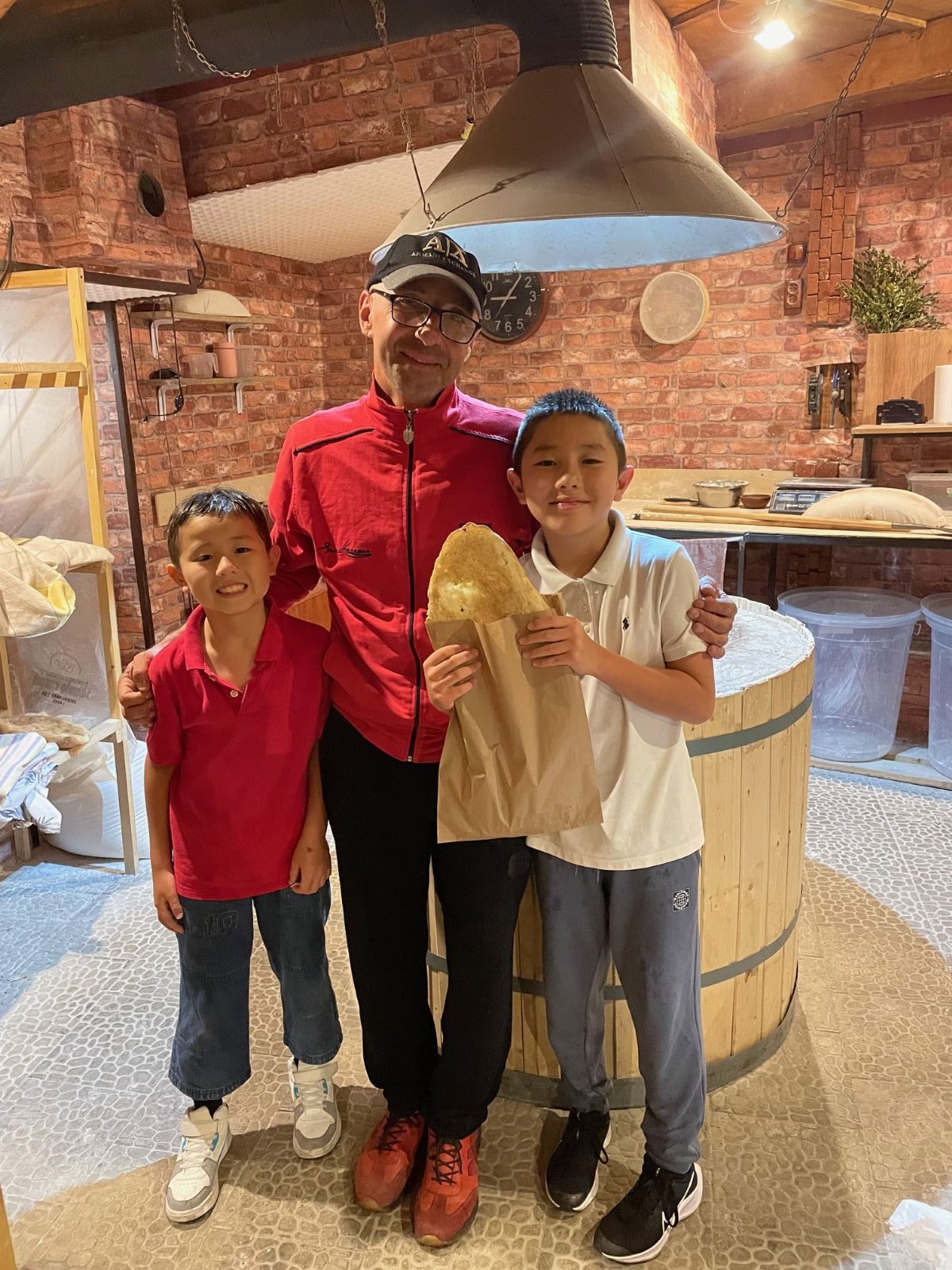
Later, in Tbilisi, Georgia, they visited a traditional bakery and learned about the country’s rich bread-making culture. They discovered the Georgian word for bread, puri (პური), ate plenty of khachapuri, and saw how food can reflect history, geography, and identity.
Visiting a traditional Georgian bakery in Tbilisi
Moments like these teach more than vocabulary. They build respect, humility, and confidence. They remind children that the world is bigger than their immediate surroundings.
Simple steps at home can also nurture cultural awareness:
Read bilingual or international children’s books
Play music from different parts of the world
Prepare meals from other countries
Teach a few basic foreign words
Experiences like these inspired our effort to publish a children’s book in multiple languages so families can explore language and culture together in an accessible way.
The book is now available in the following language editions:
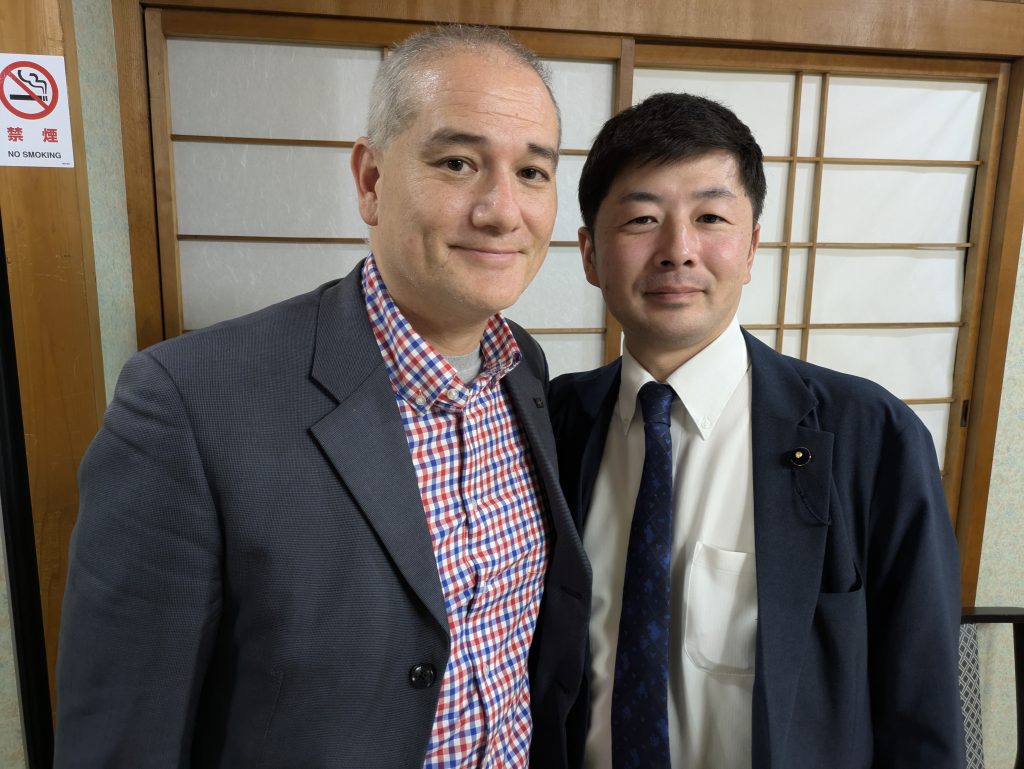
Looking toward 2026, I was inspired to engage with emerging Japanese leaders at the prefectural and municipal levels, including a Vice Governor, a Prefectural Assembly Member and son of the Prime Minister, and a Mayor, all committed to advancing U.S.–Japan relations at the grassroots level.
Six years after my first book, I am grateful to share the publication of my newest work, Abandoned No More, a Christian faith memoir about perseverance, prayer, and trust in God.
This project was shaped by patience, prayer, and persistence, a reminder that faith often works quietly over time before it becomes visible.
Writing this memoir deepened my belief that our lives unfold according to purpose even when we cannot yet see the direction. With faith and perseverance, what once seemed distant becomes possible.
God bless, and thank you for being part of this journey.
Available through major retailers: Abandoned No More, a Christian faith memoir
It allows ideas to be shared, perspectives to be challenged, and understanding to grow.
In the United States, the First Amendment protects expression and peaceful assembly. In Japan, Article 21 guarantees freedom of speech and prohibits censorship.
Different histories — shared principle.
Across cultures, the ability to speak, listen, and question is not merely legal protection; it is the foundation of resilient communities.
Societies endure not because they agree on everything, but because they allow disagreement to exist peacefully.
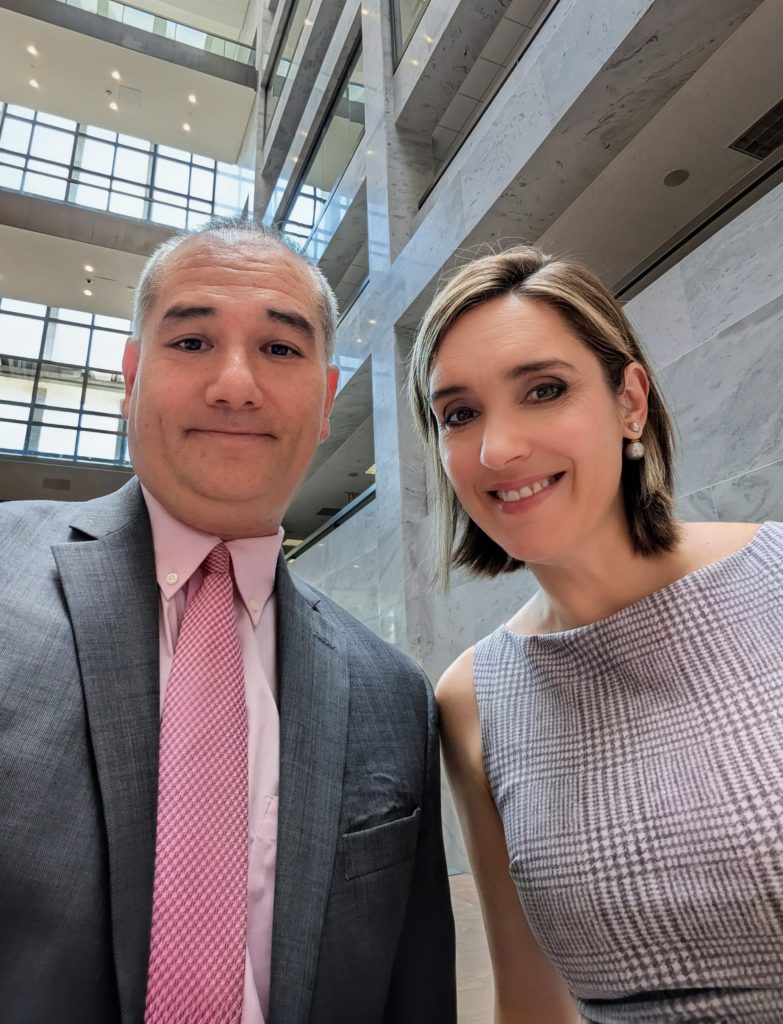
With Margaret Brennan, host of CBS Face the Nation.
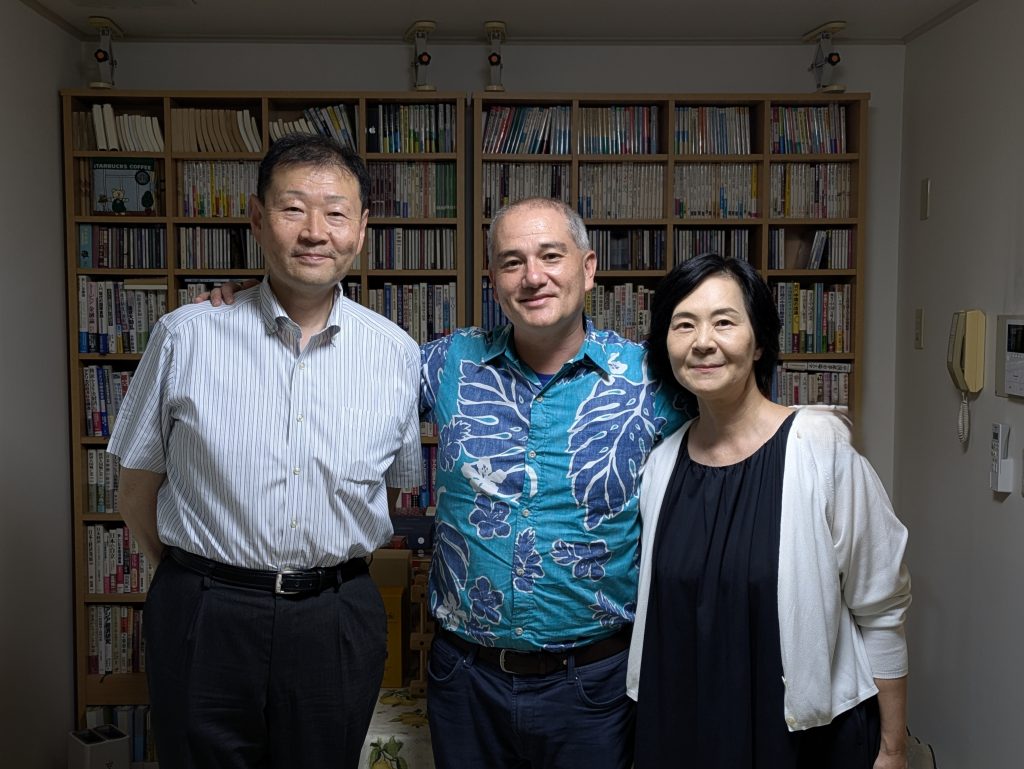
I recently had the privilege of meeting Dr. Arai Takashi — a longtime China analyst, former CSIS Japan Fellow, and researcher affiliated with the Tokyo Institute of Technology — to discuss immigration policy and foreign community integration in Kanagawa Prefecture.
Japan faces a historic demographic challenge: a rapidly aging society and declining population. While automation, AI, and robotics will help mitigate labor shortages, technology alone cannot fully address workforce gaps. Immigration policy and successful integration of foreign residents will play an increasingly central role in Japan’s economic sustainability.
Dr. Arai recently participated in the Tokyo International Conference on African Development (TICAD) in Yokohama and is conducting research on Japan’s relations with the Middle East — regions that may become increasingly relevant in future migration and labor partnerships.
Our discussion reinforced a growing reality: Japan’s long-term prosperity will depend not only on innovation, but also on its openness to people.
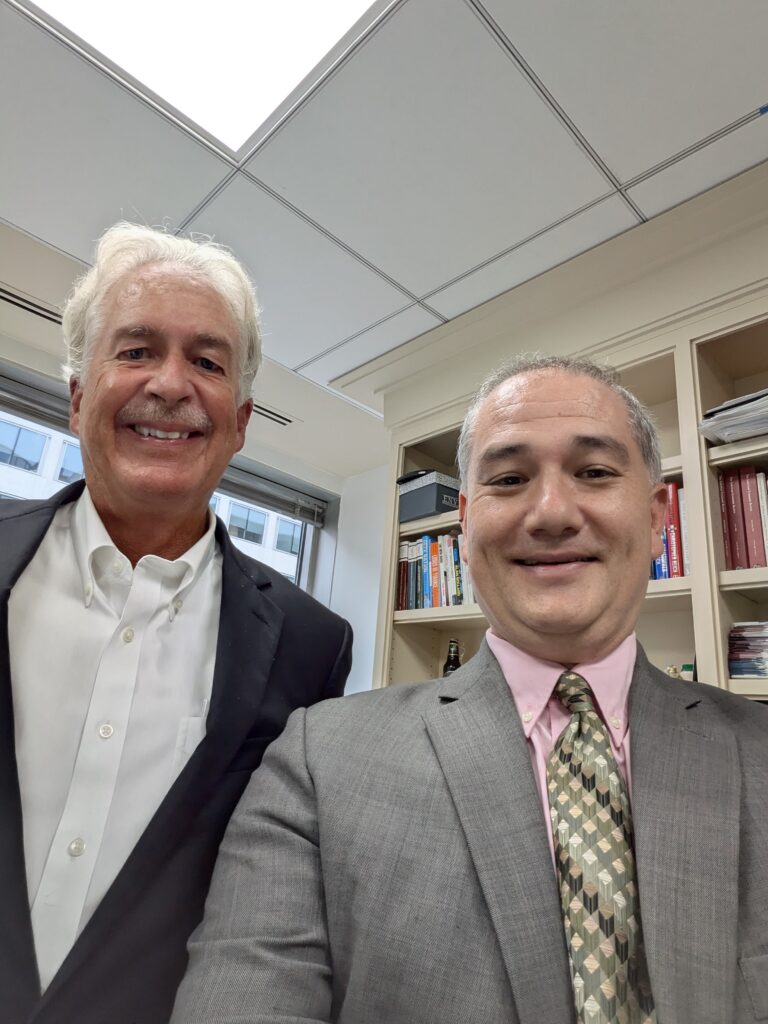
His remarkable personal library — only a fraction visible behind us — reflects decades of research dedicated to understanding global demographic change and international cooperation.
Discussing immigration, demographics, and workforce challenges in Japan with Dr. Arai Takashi.
Amid market swings outdoor swings offer a different breath of richness. Both can be thrilling. But only one is God’s playground where the soul forgets gravity, and joy returns to its purest, wind swept form.
One boy swinging while the other boy looks on.
Search
Ken Reiman is a diplomat, author, and global affairs speaker whose work reflects faith, leadership, and lived international experience.